

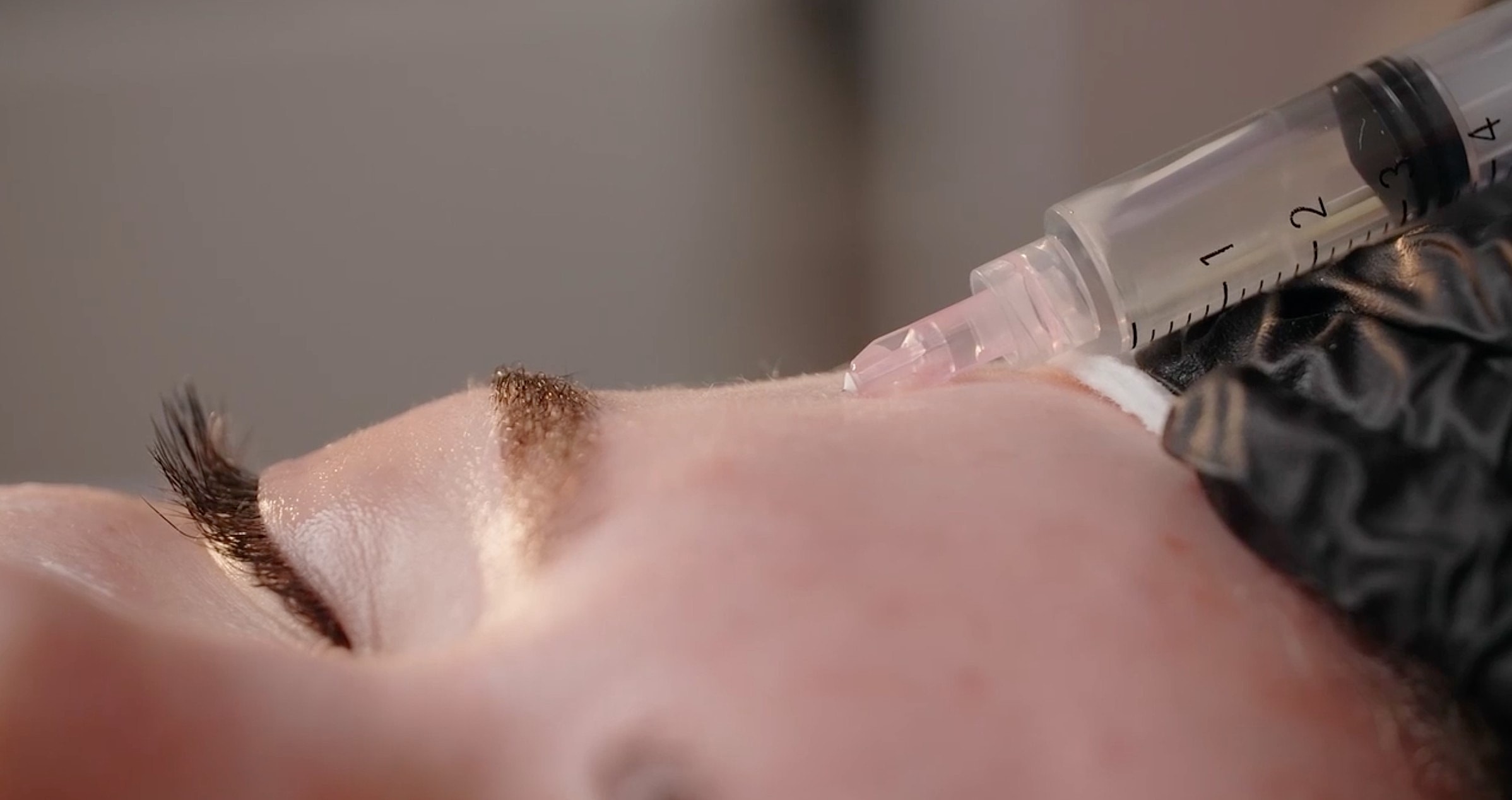
Botox continues to be one of the most popular cosmetic procedures as patients seek quick, effective solutions for dynamic wrinkles. There is no doubt: Botox and other neurotoxins absolutely work to soften expression lines without surgery, all with a simple office injection procedure with no downtime.
In this article, we explore what these treatments involve, drawing from the expertise of Dr. Joseph Kelling, a board-certified plastic surgeon Dallas, Texas. We’ll cover how neurotoxins work, the kinds of wrinkles they treat, the massively growing popularity of preventative use, the difference between Botox and fillers, and duration of effectiveness
Neurotoxins, commonly referred to as Botox or anti-wrinkle injections, are purified forms of botulinum toxin type A. These injectable treatments temporarily relax targeted facial muscles to reduce the appearance of lines caused by repeated expressions. Popular brands include Botox, Dysport, Daxxify, and Jeuveau.
Dr. Kelling emphasizes their role in long-term facial maintenance: “Neurotoxins are something if you're committed to making sure you maintain your youngest face throughout your entire lifetime, you're gonna be committed to using them across that whole spectrum of time.”
Patients searching for a way to counteract forehead wrinkles, crow's feet, or frown lines discover that these treatments provide subtle, natural-looking results when performed by an experienced injector with extremely low risk and an easy procedure.
Neuromodulators work by blocking nerve signals to specific muscles, reducing their ability to contract. This “stuns” the muscle temporarily, preventing the repetitive movements that etch lines into the skin over time. As the muscle relaxes, overlying skin smooths out, softening existing wrinkles and helping prevent new ones from deepening.
The effect is particularly noticeable in areas with high expression, such as the forehead, between the brows, and around the eyes. For example, many people are very expressive with their foreheads. Every time the skin on your forehead moves and bunches up, its like folding a piece of cardboard over and over. Eventually, there will be creases - wrinkles - and the cardboard will no longer be smooth.
By limiting movement, neurotoxins not only improve current appearance but also protect underlying facial structures. Dr. Kelling explains: “Limiting the movement, especially around the eye, if you can limit how much your brow is moving and limiting how much you're frowning, it's gonna avoid some of those deeper lines from appearing, and it's also gonna avoid some of those ligaments that are holding structures on your face in place from aging, just from dynamic movement.”
Neurotoxins like Botox excel at treating dynamic wrinkles—those that appear or worsen with facial expressions. Common treatment areas include:
These neurotoxin injections are less effective for static wrinkles (visible at rest) caused by volume loss or gravity, which often respond better to other approaches, but Botox can certainly stop them from getting any worse. Dr. Kelling notes that consistent use helps maintain a youthful appearance by addressing movement-related aging early.
Preventative Botox has gained immense popularity among patients in their 20s and 30s who want to stop wrinkles before they become etched in. By relaxing muscles proactively, smaller “baby Botox” or microdoses can delay the formation of deeper lines.
Dr. Kelling supports this proactive mindset for lifelong facial maintenance. Early intervention around the eyes and brow can minimize ligament stretching from repeated dynamic movement, preserving a smoother look over decades. Many patients combine Botox for wrinkles with good skincare for enhanced preventative results. When done correctly, heavy wrinkling in the most prone areas can be avoided entirely.
While both are popular injectables, Botox and fillers serve different purposes and complement each other well. Neurotoxins like Botox relax muscles to treat dynamic wrinkles caused by movement. Dermal fillers, on the other hand, restore lost volume, plump lips, smooth static folds (such as nasolabial lines), and contour the face.
In short: Botox for wrinkles softens lines from expression; fillers address hollows and folds from volume loss. Expert injectors like Dr. Kelling notes that utilizing the two different approaches in combination leads to significant facial rejuvenation, depending on a patient’s unique situation.
Most patients find that Botox and similar neurotoxins last approximately 3–4 months. Some experience shorter duration (around 2–3 months) initially, while others enjoy results up to 4–6 months with repeated use as muscles “train” to move less. Newer formulations like Daxxify may offer extended longevity for those seeking fewer visits.
Dr. Kelling highlights options available in his practice: “Botox has such name recognition, but there's also Dysport, Daxxify, Jeuveau. I carry Botox, Dysport, and Daxxify in my office. Daxxify is kind of a newer product to the market that I like a lot because it can offer some longer-term results than what you're seeing with some of the other neurotoxins. And I think that's excellent for patients that don't wanna come in quite so frequently.”
To maintain smooth results, most patients schedule neurotoxin injections every 3–4 months. Consistent treatment can lead to longer-lasting effects over time and better prevention of deeper lines.
One of the biggest advantages of Botox treatments is the minimal downtime. Treatment itself takes just 10–15 minutes with a series of tiny injections using a fine needle. Most patients return to normal activities immediately.
Common side effects include mild redness, swelling, or bruising at injection sites, which usually resolve within hours to a few days. Avoid rubbing the treated areas, strenuous exercise, or lying flat for about 4 hours post-treatment to prevent product migration. Results are not immediate, so patience is key during the first week.
Dr. Kelling and his team provide detailed aftercare instructions to ensure optimal outcomes with Botox for forehead lines, crow's feet, or other areas to ensure the product works exactly as its meant to.
Whether you’re exploring preventative Botox, seeking Botox for wrinkles you currently have, or considering one of the alternatives to Botox, consulting a board-certified plastic surgeon ensures safe, natural-looking results tailored to your facial anatomy. Neurotoxins form a cornerstone of non-surgical facial rejuvenation when used as part of a comprehensive plan that may include fillers or other modalities.
If you’re ready to maintain a youthful appearance, schedule a consultation today with Dr. Kelling. With options like Botox, Dysport, and Daxxify, patients can enjoy smoother skin and greater confidence with minimal interruption to daily life.