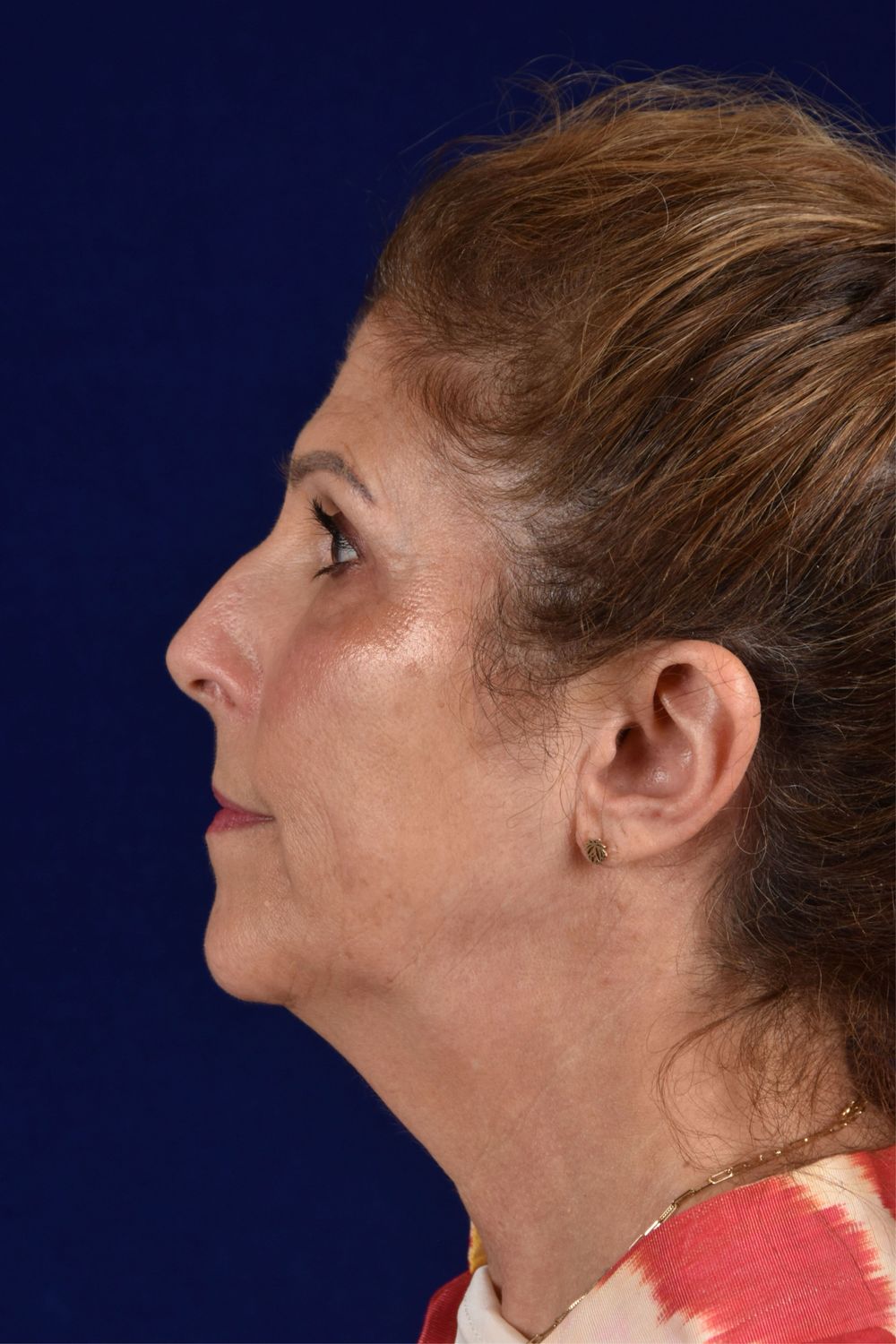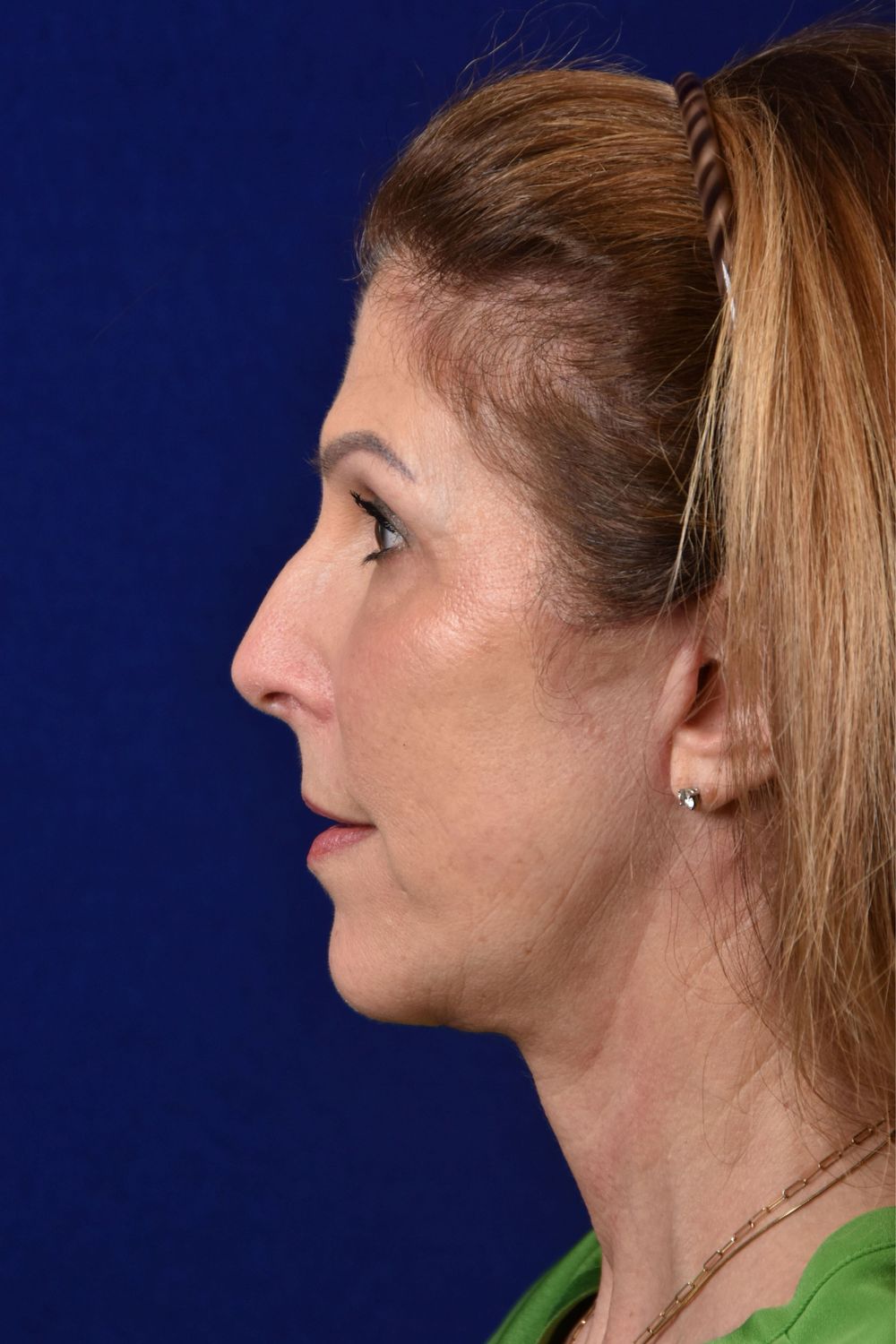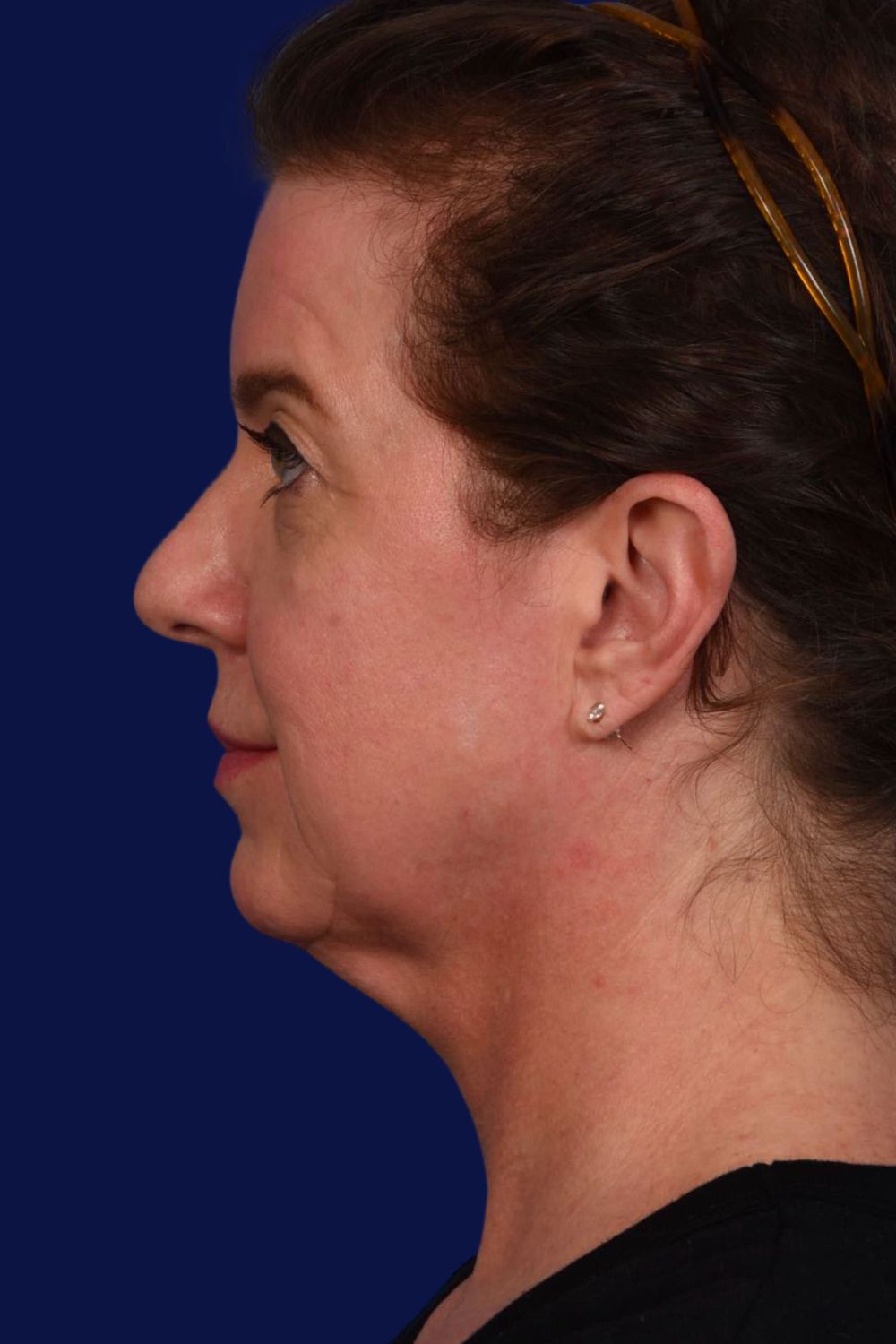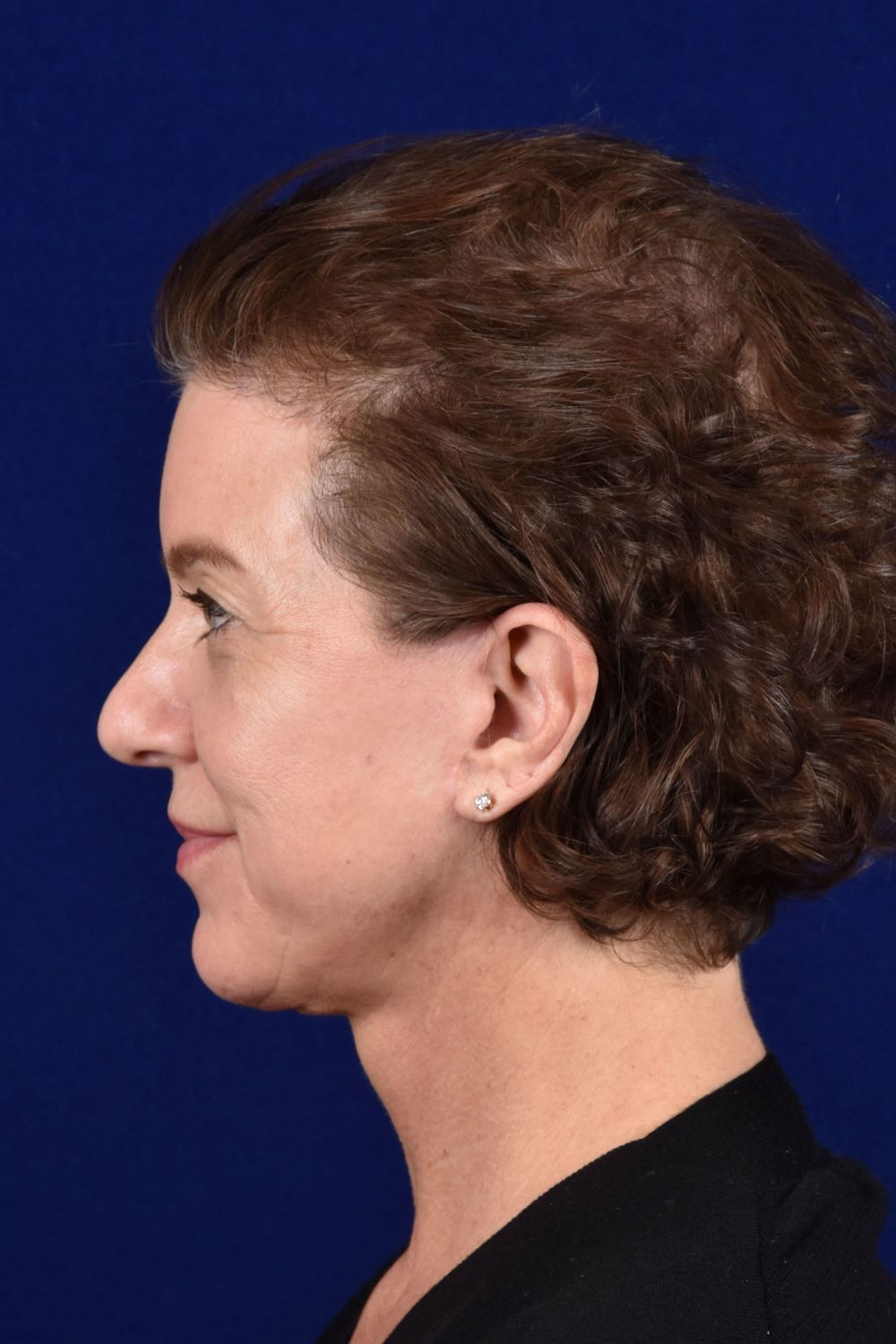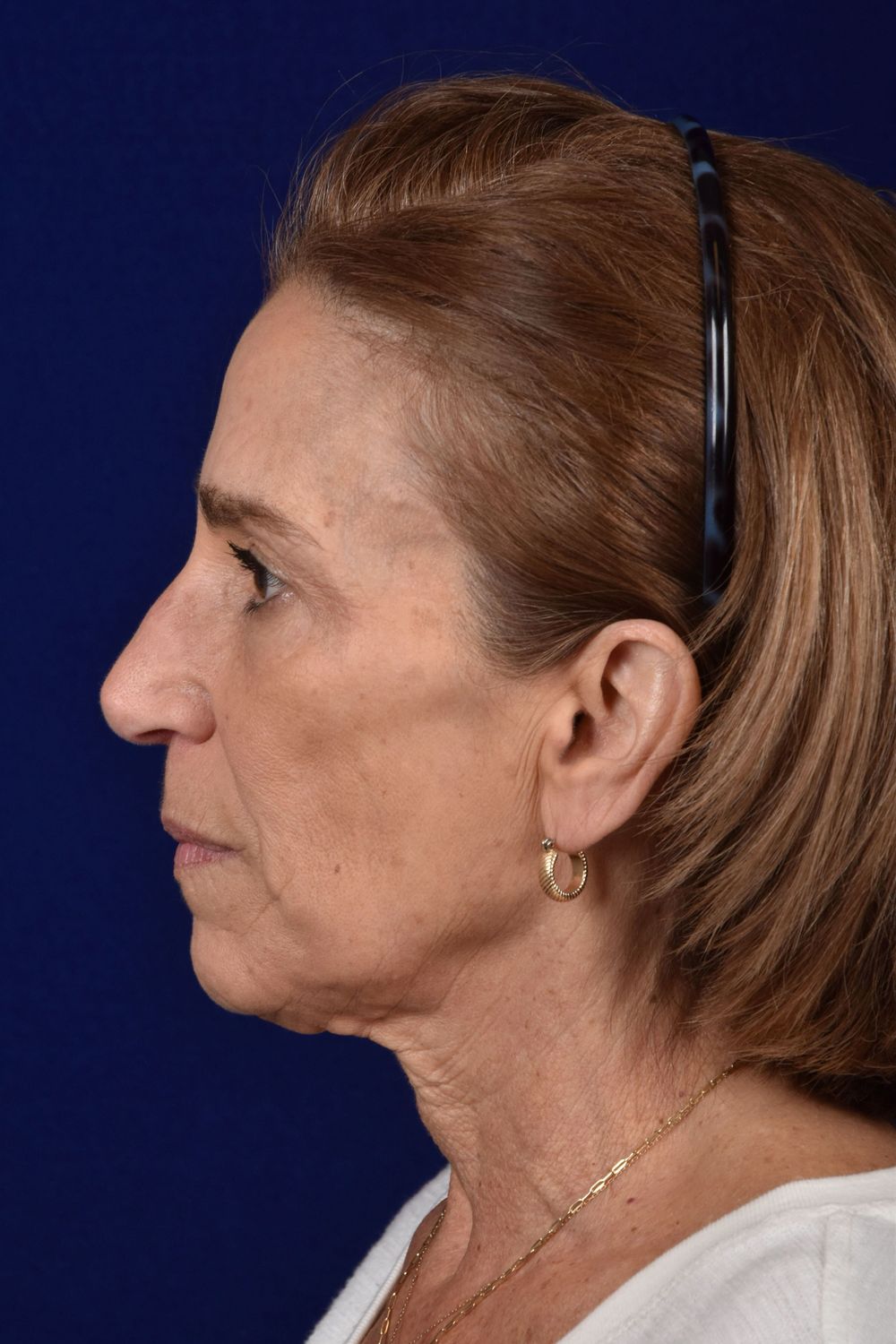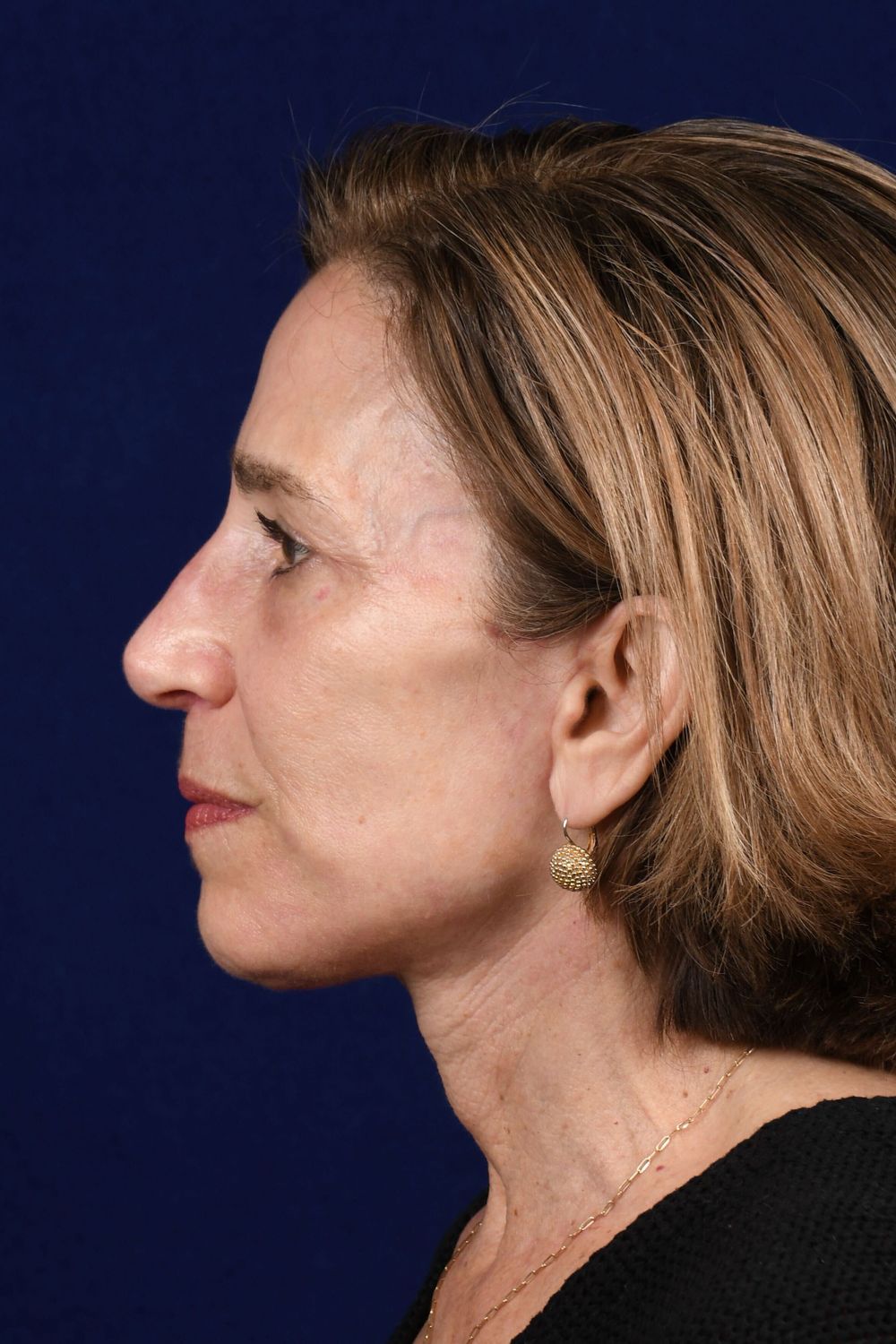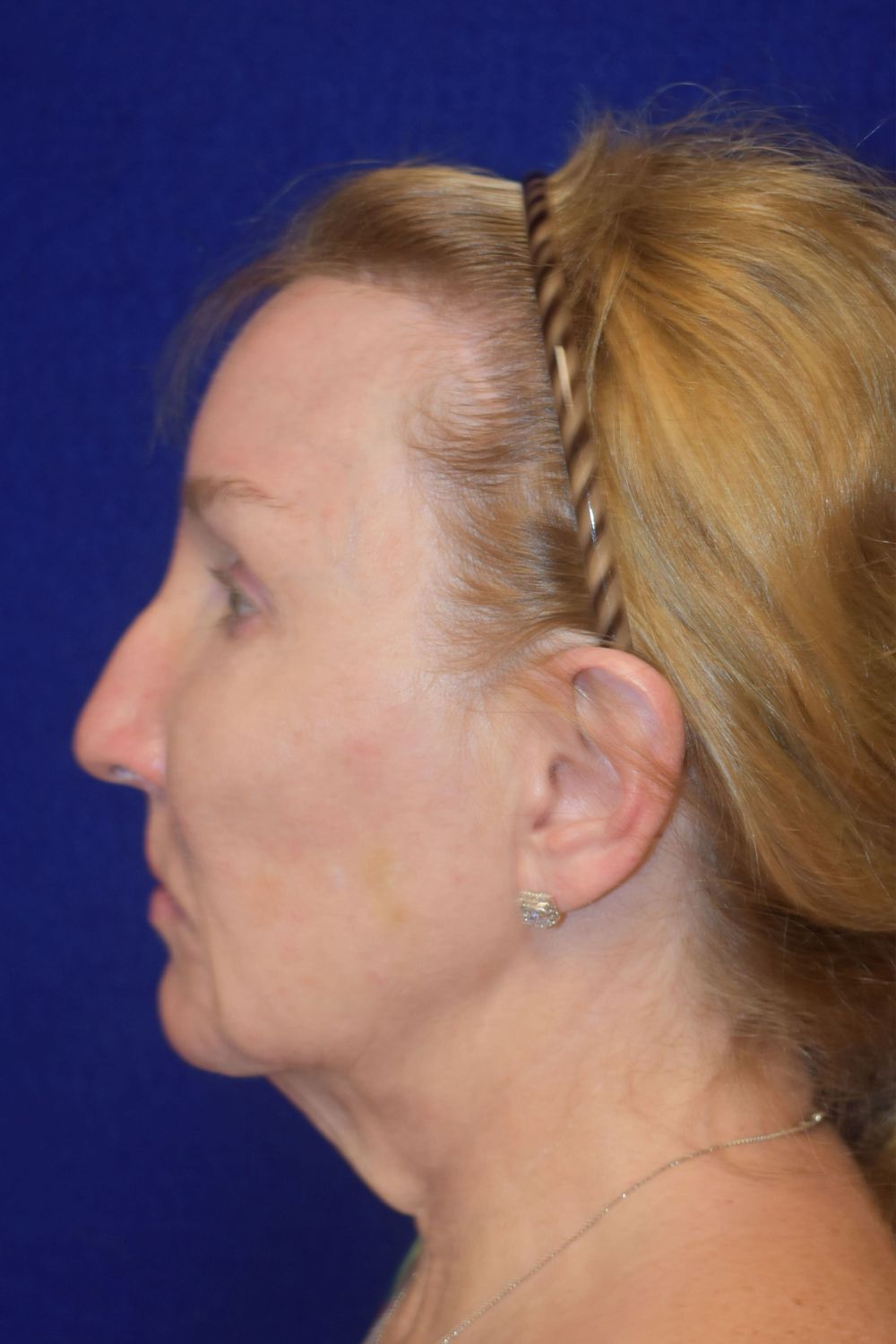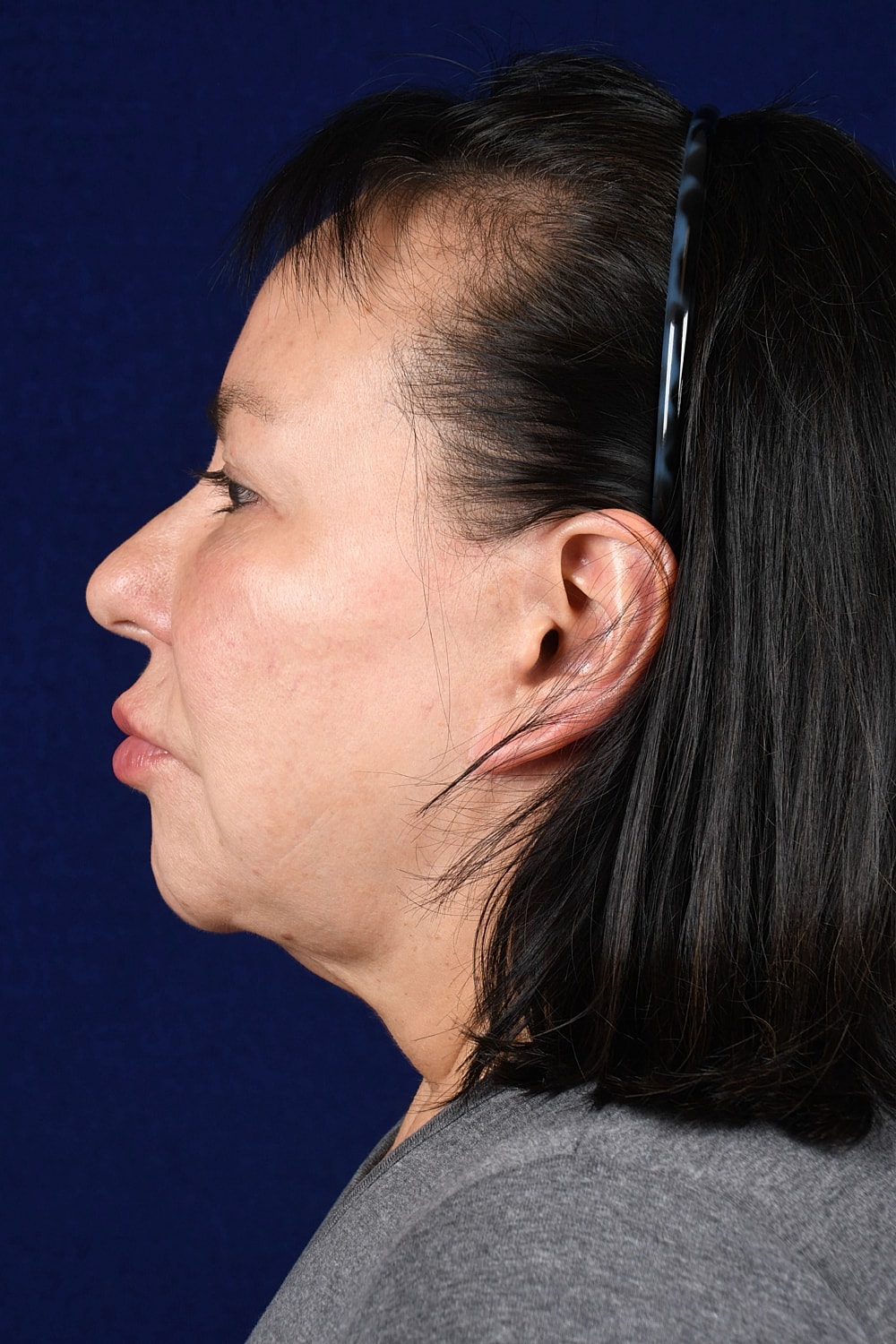
Deep Plane Facelift Dallas


Renew and Refresh
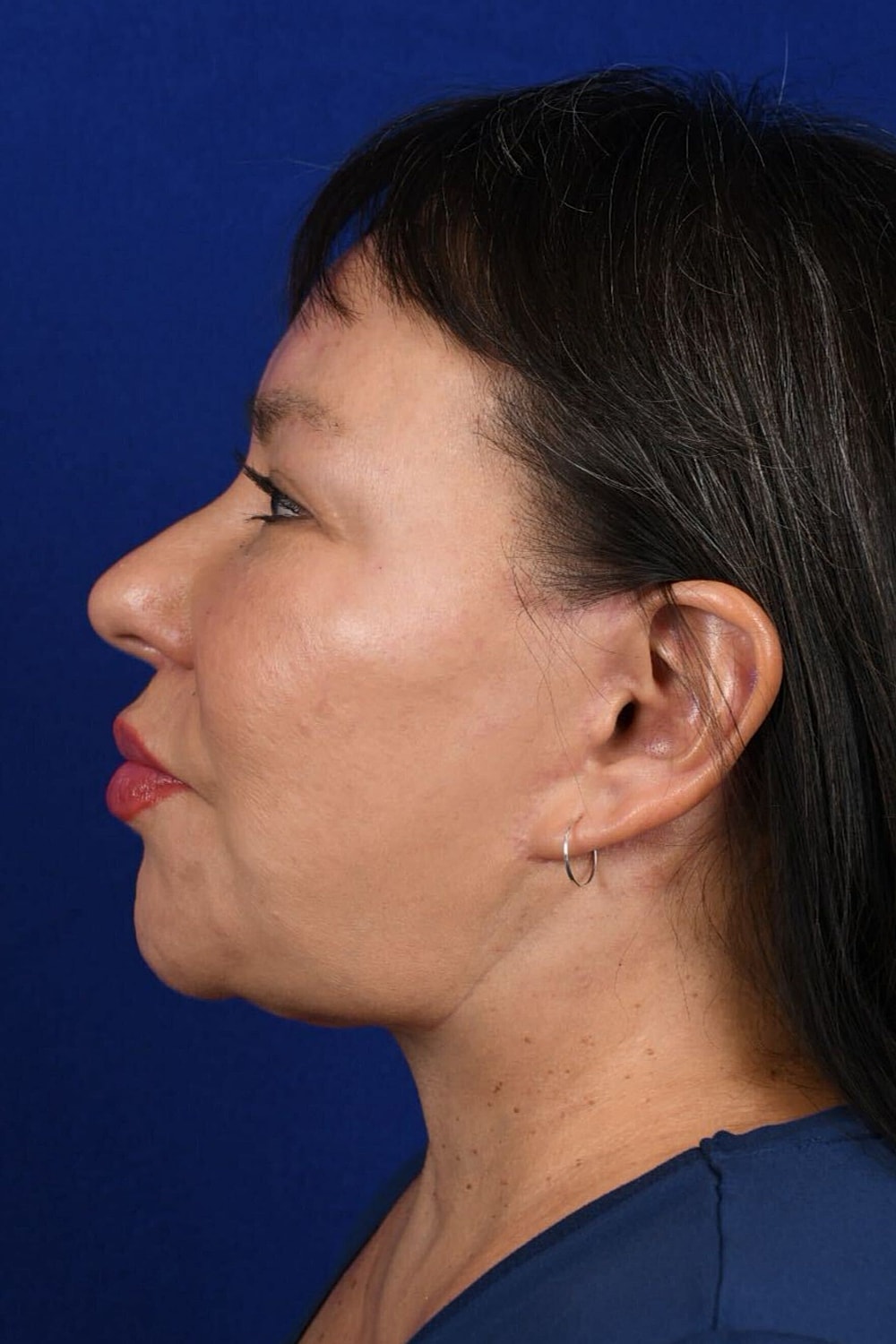
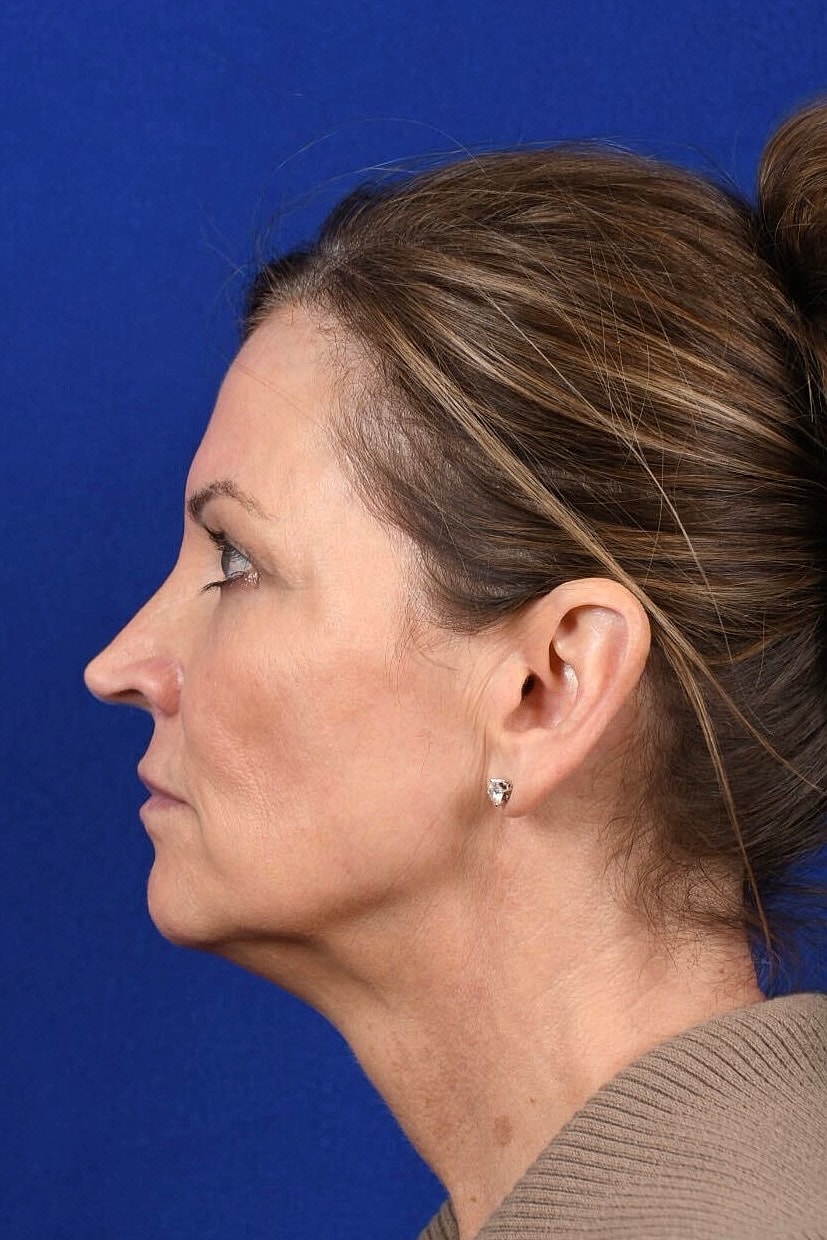
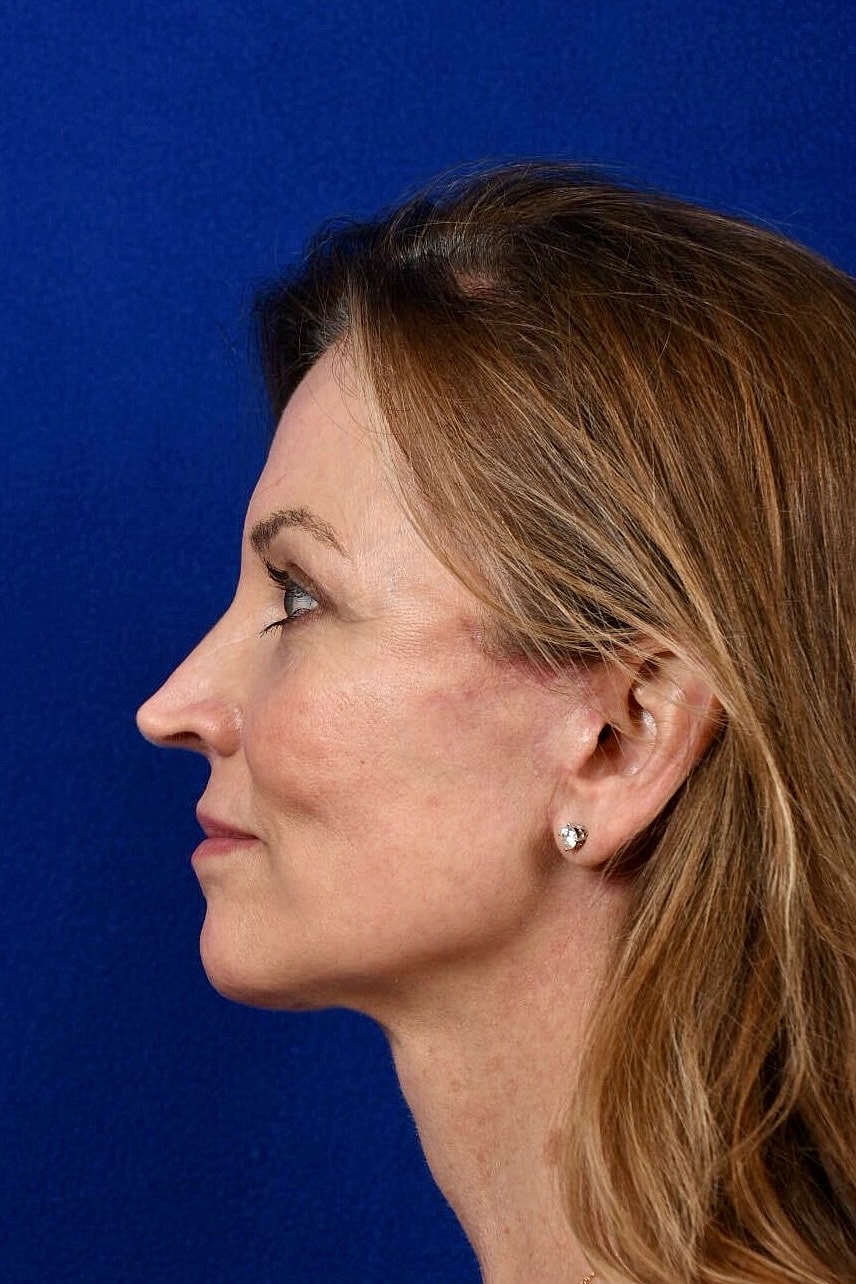
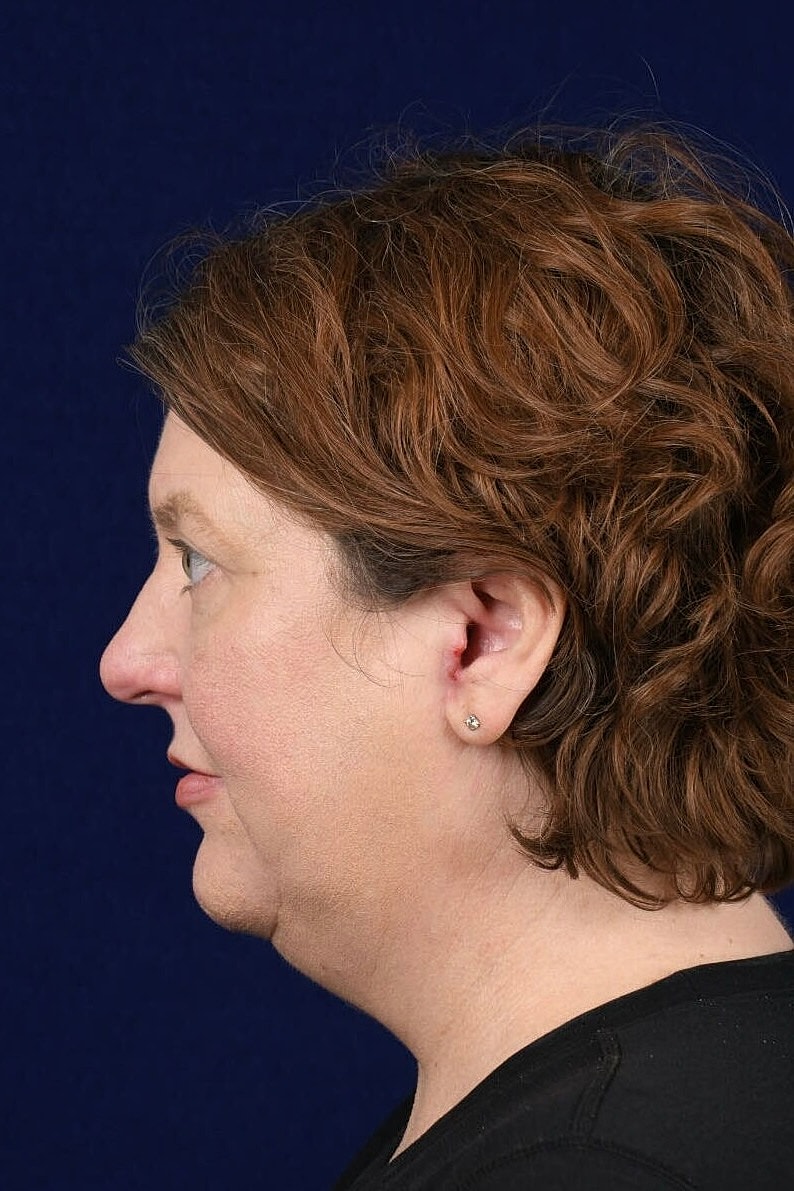
When your cheeks, jawline, and neck begin aging together, treating each concern separately can only go so far. A deep plane facelift allows Dr. Joseph Kelling to restore support across the lower two-thirds of the face while preserving the expressions that make you look like yourself. At Kelling Plastic Surgery in Dallas, the result is designed to feel refined, balanced, and natural in motion.

Structure Makes the Difference
A deep plane facelift is an advanced facial rejuvenation procedure that releases and repositions deeper facial tissues, including the superficial musculoaponeurotic system (SMAS) and descended fat pads. Moving these structures together restores youthful contours without relying on excessive tension at the skin’s surface.
Facial aging involves far more than loose skin. Over time, connective tissue weakens, facial fat pads descend, and the deeper layers that support the cheeks and jawline begin to shift. The deep plane technique works beneath more superficial facelift layers, allowing Dr. Kelling to correct these structural changes directly.
Once the deeper facial tissues have been elevated into a more youthful position, the facial skin can be redraped smoothly and excess skin removed. This sequence is central to producing a natural outcome without the tight or windblown appearance sometimes associated with skin-focused facelift methods.
1 of 8
Refinement From Within
Deep plane facelift surgery is intended for visible tissue descent through the midface and lower face. It can address several related signs of facial aging during one procedure, including:
Fine lines, uneven pigmentation, and changes at the skin’s surface may require an additional treatment, such as laser resurfacing. Dr. Kelling distinguishes between structural aging and changes in skin quality so each concern can be treated with the appropriate technique.

Designed to Move Naturally
The deep plane technique elevates descended cheek tissue and fat pads as a connected unit. This restores a more youthful position through the midface, softens deep folds, and creates a smoother transition between the lower eyelids and cheeks.
Because the natural volume of the cheek is repositioned rather than flattened or pulled laterally, the face retains its dimension. Facial fat grafting may be added when aging has also caused meaningful volume loss.
Repositioning the deeper facial structures can improve jowls and restore a cleaner jawline. Dr. Kelling secures the underlying tissues before redraping the skin, which supports a smoother contour without making the face appear overly tight.
This structural correction is especially helpful for patients whose skin sagging is accompanied by weakened connective tissue or downward movement of the facial fat pads.
A deep plane face and neck lift can improve loose skin, heaviness, and reduced definition beneath the jaw. Treating the face and upper neck together creates a natural transition instead of ending the improvement abruptly at the jawline.
Dr. Kelling may add dedicated neck surgery when vertical muscle bands, excess skin, or more significant neck laxity require direct correction.
Beneath the Surface
Working below more superficial facelift layers gives Dr. Kelling greater control over the tissues responsible for visible facial aging. Dallas deep plane facelift benefits may include:
The procedure doesn’t erase every line or stop the aging process. It creates a younger structural foundation, allowing most patients to look refreshed rather than surgically altered.

The Lift For You
Candidacy depends on the extent and location of tissue descent rather than reaching a particular age. Many deep plane facelift patients are in their 40s through 70s, although facial anatomy, skin elasticity, health, and aesthetic goals remain more important than the number on a birthday card.
A deep plane facelift may suit you if sagging cheeks, jowls, loose skin, or deep folds have progressed beyond what injectables and non-surgical treatments can reasonably correct. Candidates should be healthy enough for general anesthesia, free from nicotine, and comfortable allowing several weeks for swelling to settle.
Patients often seek this procedure when they want a meaningful improvement but still value subtlety. The strongest results come from correcting what has actually changed rather than applying the same facelift method to every face.
A mini facelift, laser treatment, or injectable option may be more suitable for early skin laxity or isolated volume loss. Dr. Kelling may postpone or decline surgery when nicotine use, uncontrolled medical conditions, poor healing, or unrealistic expectations could compromise safety or the final result.
Patients with significant sun damage or reduced skin elasticity may still undergo surgery, but additional skin treatments may be needed for comprehensive facial rejuvenation.
The Details Behind the Difference
Dr. Kelling and his team will make sure you feel prepared well before surgery. You’ll complete any required medical testing, stop nicotine use within the recommended timeframe, and adjust medications or supplements when medically appropriate. Arrange for someone you trust to drive you home and stay nearby during early recovery, then set up a comfortable place to rest with your head elevated. As your surgery date approaches, follow the fasting and medication instructions provided by the team.
Preparing meals, filling prescriptions, and placing daily essentials within easy reach can also make the first few days more comfortable. The practice provides clear preoperative materials so you know what to expect before arriving at the surgical facility.
Restoring What Time Shifted
Dr. Kelling performs the procedure under general anesthesia at a fully accredited surgical facility. Dallas deep plane facelift surgery generally takes four to five hours, depending on the extent of correction and any procedures performed at the same time.
Patients typically remain overnight with an expertly trained nurse. This allows the earliest stage of recovery to take place with professional support before you return home the following day.

Younger Contours, Still You
Swelling, bruising, tightness, and temporary numbness are expected after surgery, but most patients find that recovery progresses steadily. Dr. Kelling and his team remain closely involved, answering questions and monitoring healing at scheduled postoperative visits.
Most patients feel comfortable returning to public-facing activities after 10 to 14 days. Makeup and hairstyling can help conceal residual discoloration once Dr. Kelling confirms that your incisions are ready.
You may still look slightly swollen during the first few weeks, especially through the cheeks and jawline. Planning surgery several months before a wedding, reunion, or major photographed event gives the result time to settle fully.
Gentle walking begins early to support circulation. Bending, heavy lifting, and strenuous exercise remain restricted while the deeper tissues and incisions heal. Many patients resume light daily activities within the first week and return to regular exercise after four to six weeks with Dr. Kelling’s clearance.
Bruising improves substantially during the first two weeks. Swelling continues decreasing over the next four to six weeks, while subtle changes may persist for several months. Temporary numbness, firmness, or tightness can also take time to resolve as the deeper facial tissues heal.
Incisions are rarely camera-ready immediately. Most require two to three months to fade enough for close-up photographs, and scar maturation continues for up to a year.
Keep your head elevated, avoid pressure on the incisions, and protect healing scars from direct sun. Follow instructions for cleansing, showering, and hair care carefully. Dr. Kelling monitors tissue position, swelling, incision healing, and your gradual return to normal activity during follow-up appointments.
Results Worth Waiting For
The first improvements become visible as bruising and swelling subside. Your face may initially appear fuller or tighter than expected, which is a normal part of early healing.
Stage | What to Expect |
|---|---|
| 2 weeks | Bruising and prominent swelling begin settling |
| 4–6 weeks | Cheek and jawline definition becomes clearer |
| 1–3 months | Facial tissues settle into a natural position |
| 6–12 months | Scars fade and the final result continues maturing |
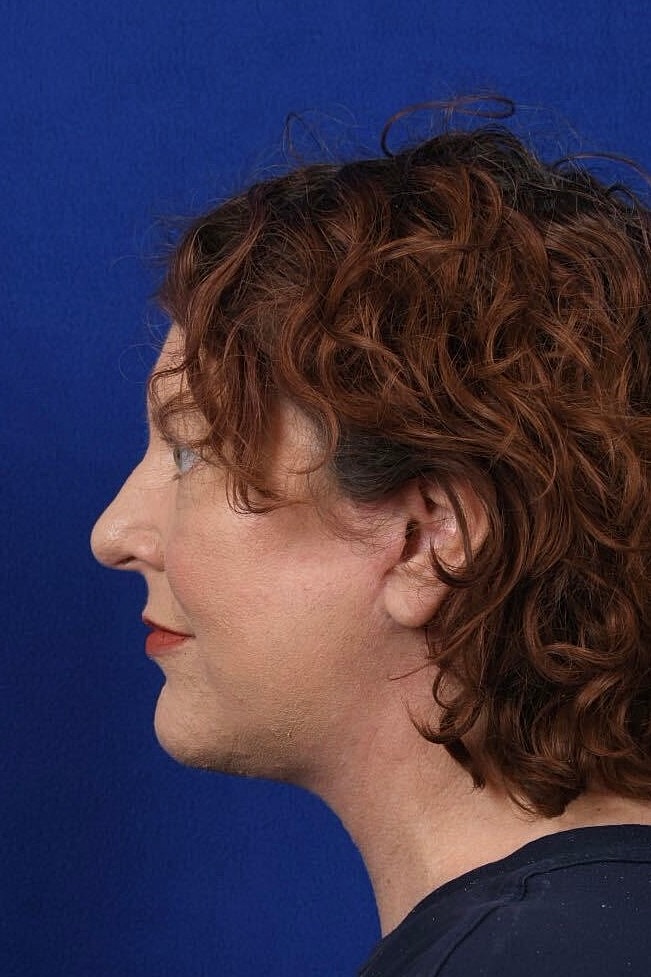
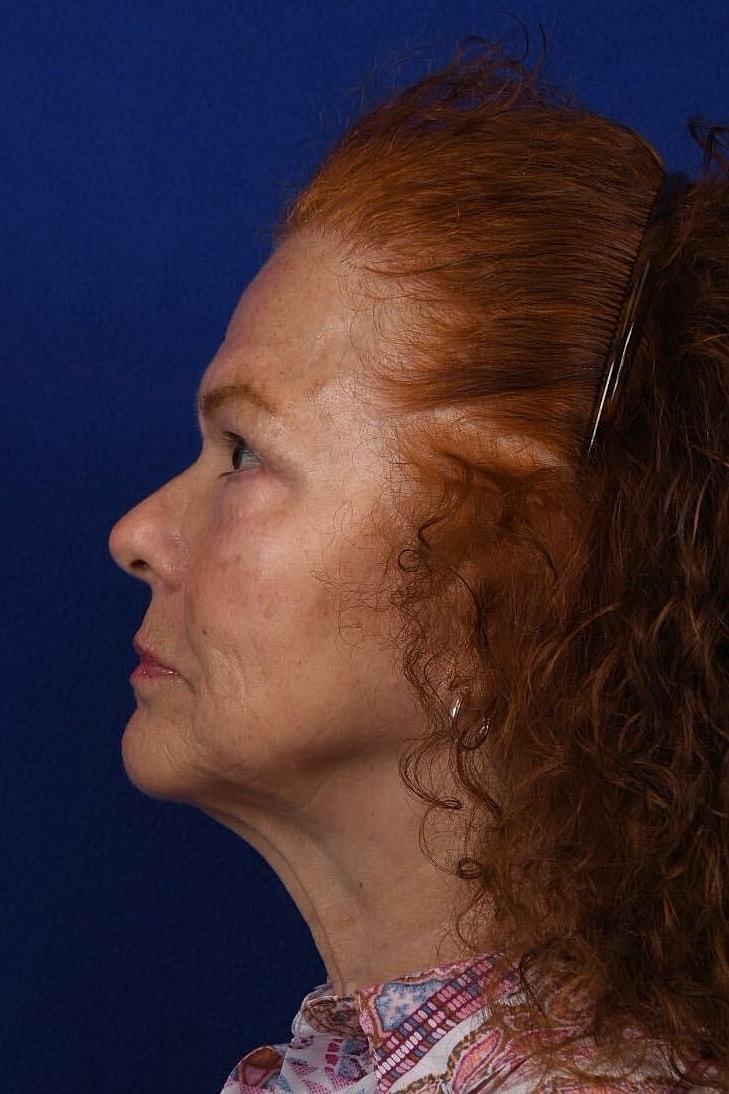
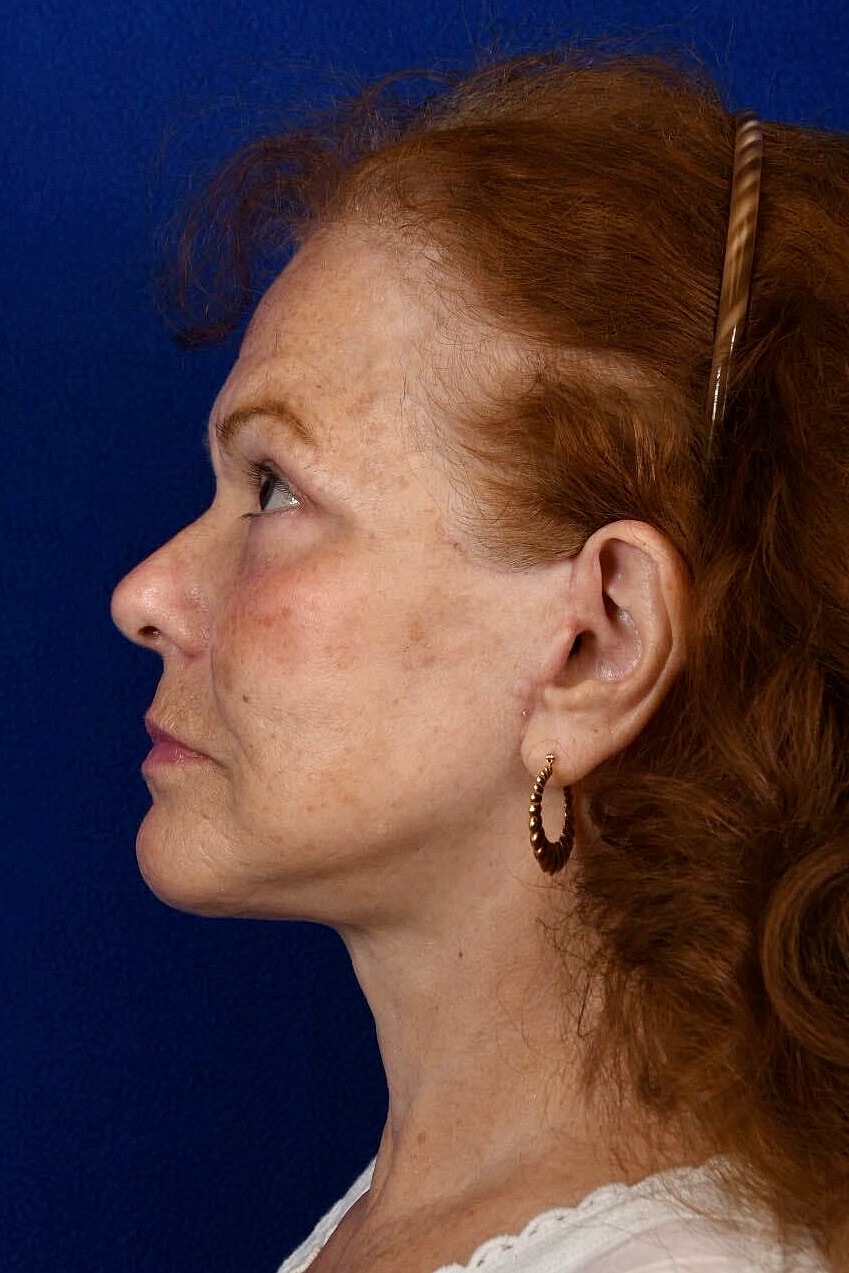
Most patients notice lifted cheeks, a smoother jawline, softer deep folds, and improved upper-neck definition. Because the deeper facial tissues are repositioned rather than simply tightened at the surface, the result should remain expressive and natural as it settles.

A Lift That Lasts
Deep plane facelift results commonly last 10 years or longer. Genetics, skin elasticity, sun exposure, weight changes, lifestyle, and the natural aging process influence longevity.
Your face continues aging after surgery, but it does so from a more youthful position. Consistent sun protection, stable weight, medical-grade skincare, and appropriate maintenance treatments can support the quality of your result over time. A future revision may be considered years later, although many patients remain pleased long before another surgical procedure becomes relevant.
Scars Designed to Disappear
Dr. Kelling places incisions within the hairline and natural contours around the ears, where they can be concealed as they heal. A short incision beneath the chin may be used when neck correction is included.
Facelift scars initially appear pink and may feel firm or slightly raised. They gradually soften, flatten, and fade over several months. Precise placement and tension-free closure protect the ear shape and help prevent widened or conspicuous scars. Dr. Kelling may recommend silicone-based scar care once the incisions have healed sufficiently.
Something For Everyone
Facelift methods differ in how deeply they work and how much correction they can provide.
Procedure | Best Suited For | Degree of Correction |
|---|---|---|
| Deep plane facelift | Cheek descent, jowls, deep folds, and neck laxity | Comprehensive and long-lasting |
| Traditional SMAS facelift | Lower-face aging and moderate skin laxity | Moderate to comprehensive |
| Mini facelift | Early jowling and mild loose skin | Limited |
| Non-surgical treatments | Fine lines, volume loss, and early laxity | Subtle and temporary |
Compared with more superficial facelift techniques, the deep plane approach provides greater access to the deeper tissues contributing to sagging cheeks and deep folds. A mini lift can be useful for a carefully selected patient, but it cannot reproduce the structural lifting available through a full deep plane facelift.
Combining Treatments
Dr. Kelling may combine a deep plane facelift with a neck lift, brow lift, eyelid surgery, facial fat grafting, or laser resurfacing. Each addition serves a different purpose.
A brow lift or eyelid surgery can refresh the upper face, while fat grafting restores volume that cannot be corrected through lifting alone. Laser resurfacing improves the facial skin by addressing fine lines, sun damage, and uneven texture. Combining procedures can create more complete rejuvenation while keeping the result cohesive.

Experience Behind Every Decision
Dr. Joseph A. Kelling is a board-certified plastic surgeon who completed his training at the nationally recognized plastic surgery program at UT Southwestern Medical Center. His training included a special emphasis on facelift surgery, and facial rejuvenation remains one of his primary clinical interests.
Dr. Kelling has published research in Aesthetic Surgery Journal and Plastic and Reconstructive Surgery. He also serves as community faculty for the UT Southwestern Plastic Surgery Residency, contributing to the education of future plastic surgeons.
Every surgery at Kelling Plastic Surgery is personally performed by Dr. Kelling. His familiarity with advanced facelift techniques, facial anatomy, and scar placement informs decisions throughout the operation, from the direction of the lift to the amount of excess skin removed. Patients also benefit from overnight nursing support and direct postoperative follow-up at the Dallas practice. His philosophy remains consistent: refinement, restraint, and results that still feel like you.
Schedule a consultation with Kelling Plastic Surgery in Dallas or call the office to discuss your facial rejuvenation options.
Pricing reflects surgical complexity, anesthesia, facility fees, overnight nursing care, neck correction, and any combined procedures. Kelling Plastic Surgery provides an individualized quote following your consultation with Dr. Kelling.
Most patients describe pressure, tightness, or soreness rather than severe pain. Medication helps control discomfort during early recovery, and overnight nursing support provides added reassurance during the first evening.
The deep plane technique lifts the underlying tissues while preserving natural movement. Dr. Kelling controls both the direction and degree of elevation to create a refreshed result without changing the expressions people recognize.
Every facelift carries potential risks, including bleeding, infection, nerve injury, asymmetry, delayed healing, and unfavorable scarring. Deep plane surgery requires advanced training because the dissection occurs closer to important facial structures. Choosing a board-certified plastic surgeon with detailed knowledge of facial anatomy is essential.
Yes. The procedure can improve the jawline and upper neck by repositioning connected facial tissues. Dr. Kelling may add a dedicated neck lift when muscle banding, excess skin, or advanced neck laxity needs additional correction.
For patients with meaningful tissue descent who want a durable, natural-looking improvement, the deep plane facelift can offer a level of correction that non-surgical options cannot match. The decision depends on your concerns, tolerance for recovery, and expectations for longevity.