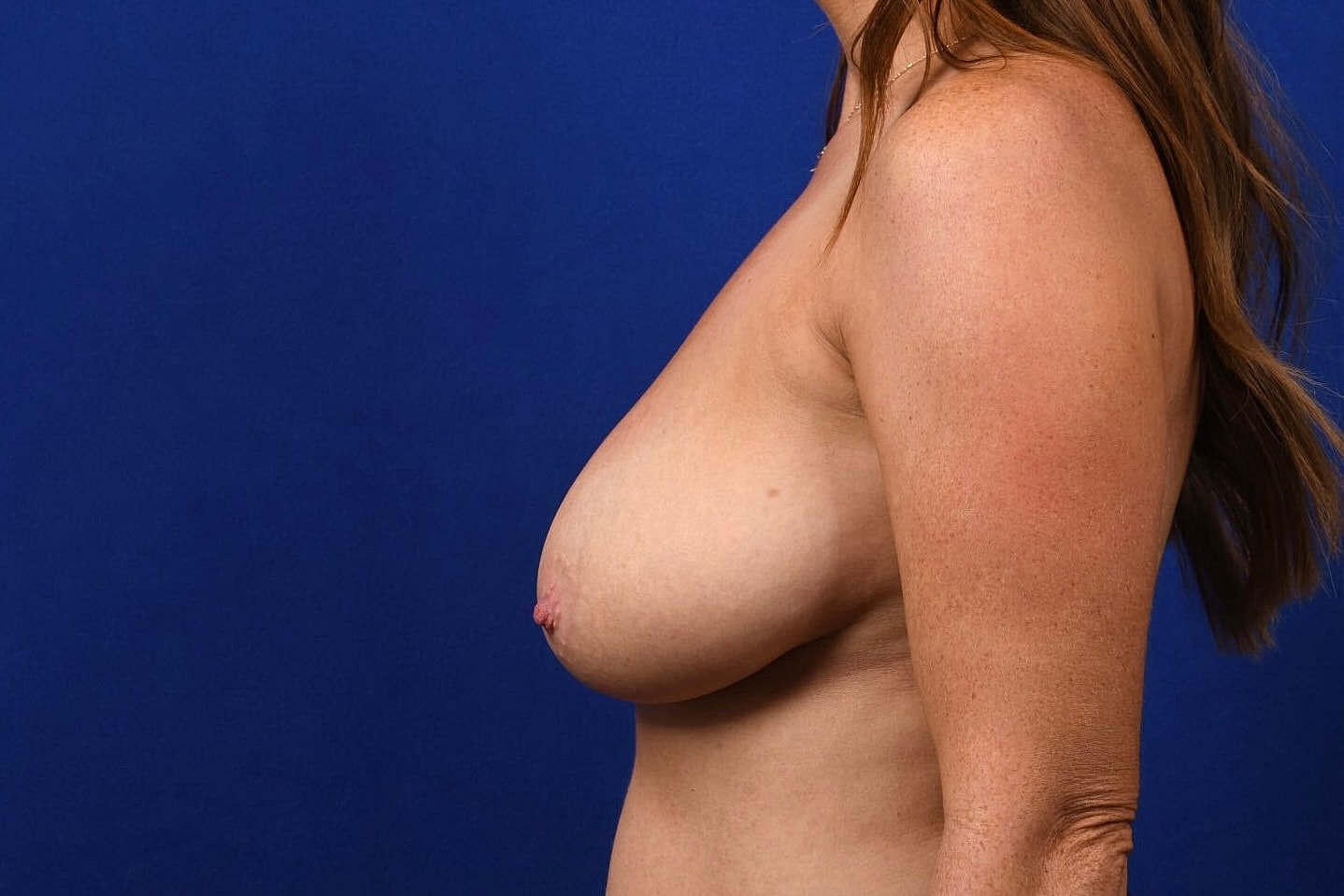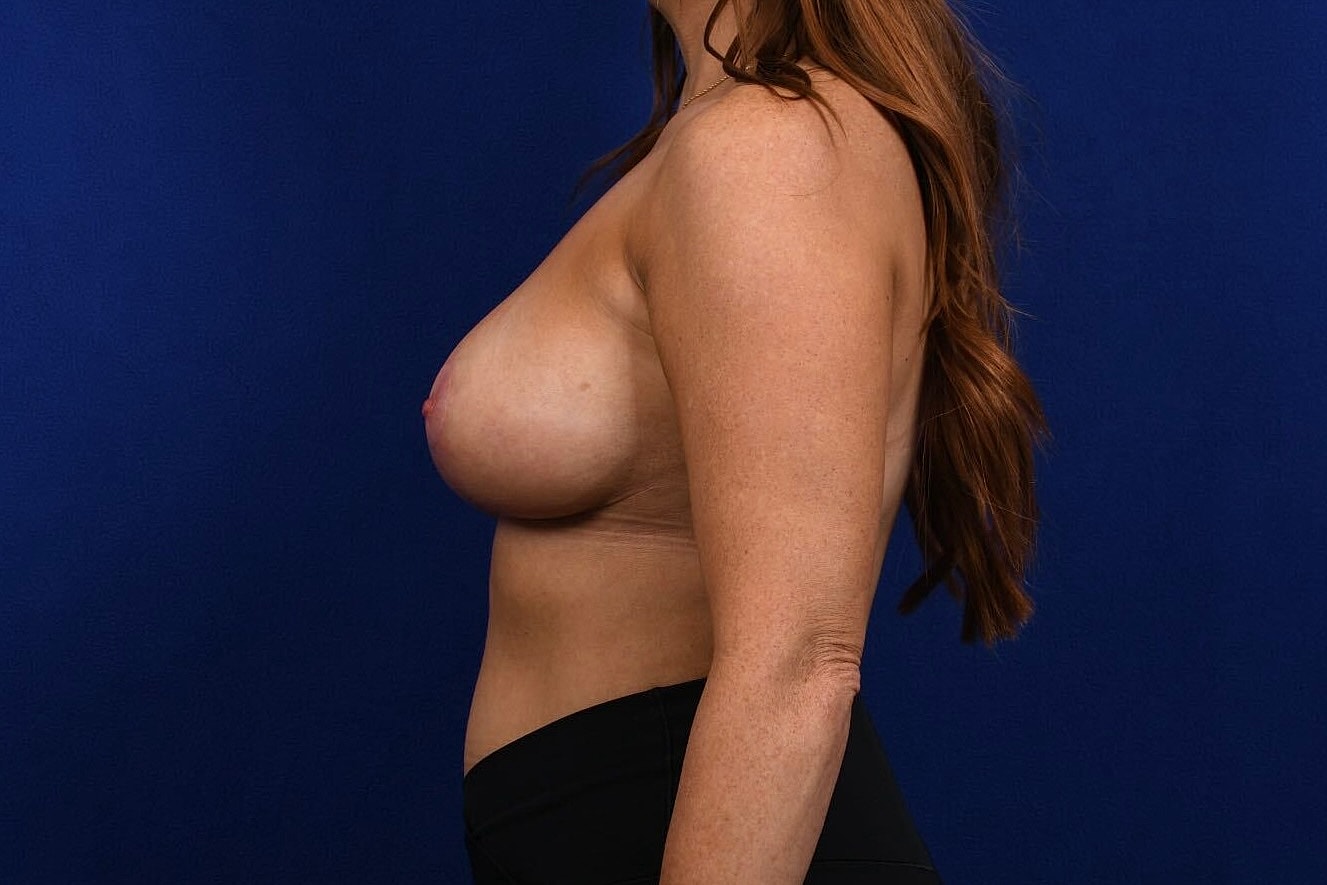
Breast Reduction Dallas


Take The Weight Off
Heavy breasts can affect your day long before you begin thinking of them as a surgical concern. When supportive bras no longer relieve back and neck pain, exercise feels increasingly difficult, or clothing never fits quite right, breast reduction surgery can offer genuine relief. Dr. Joseph Kelling performs breast reduction in Dallas to create smaller, proportionate breasts while preserving a natural shape.

Lighter by Design
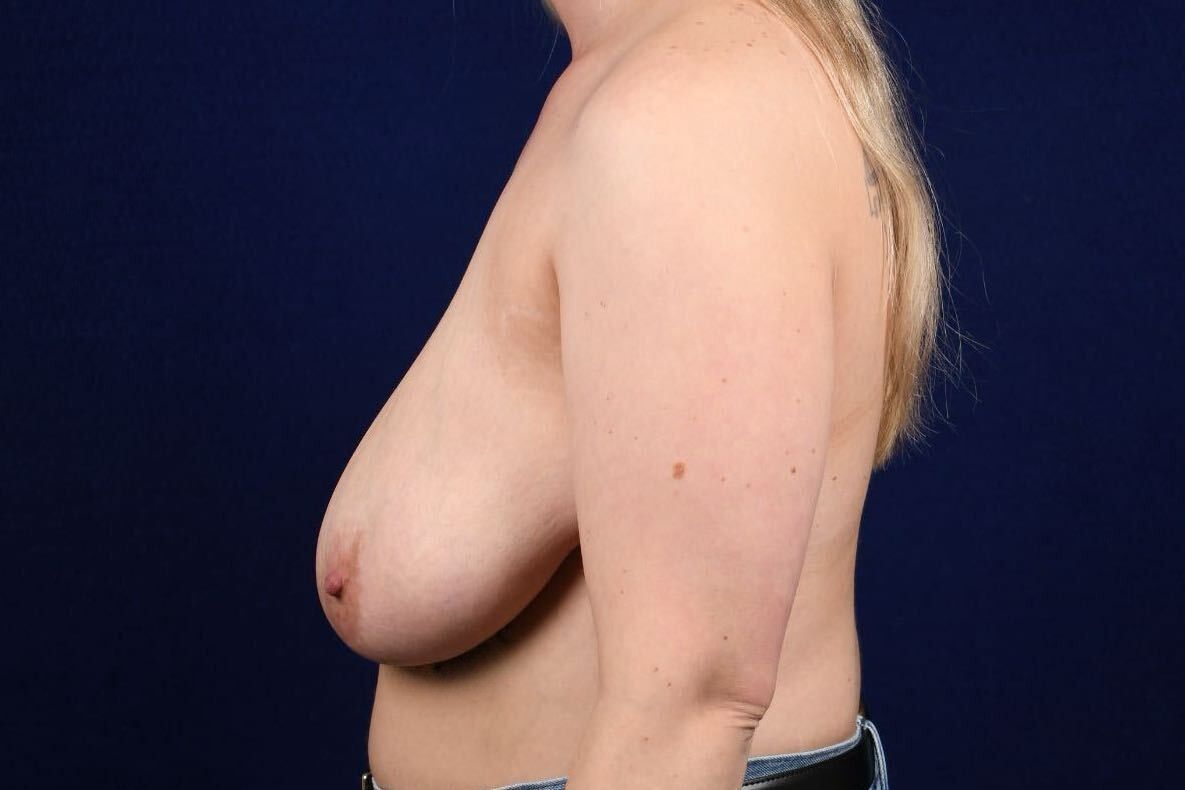
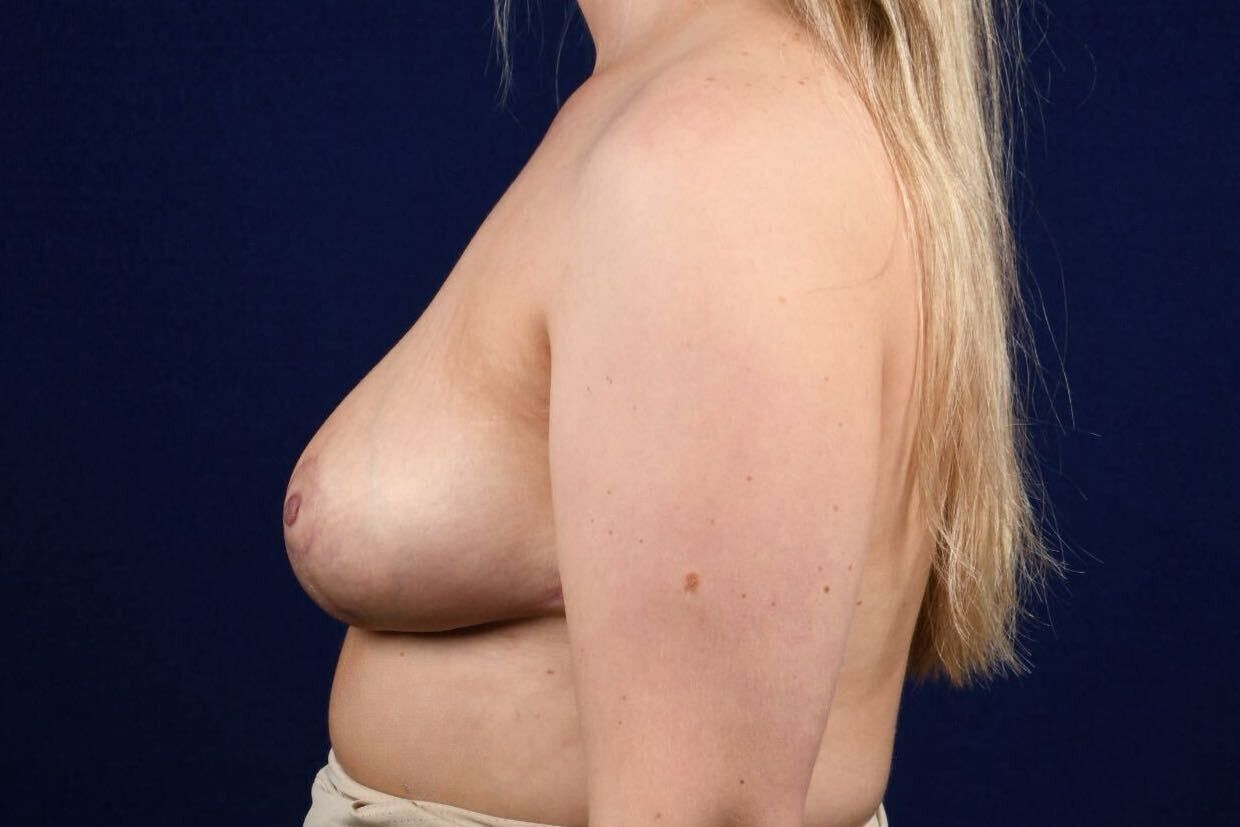
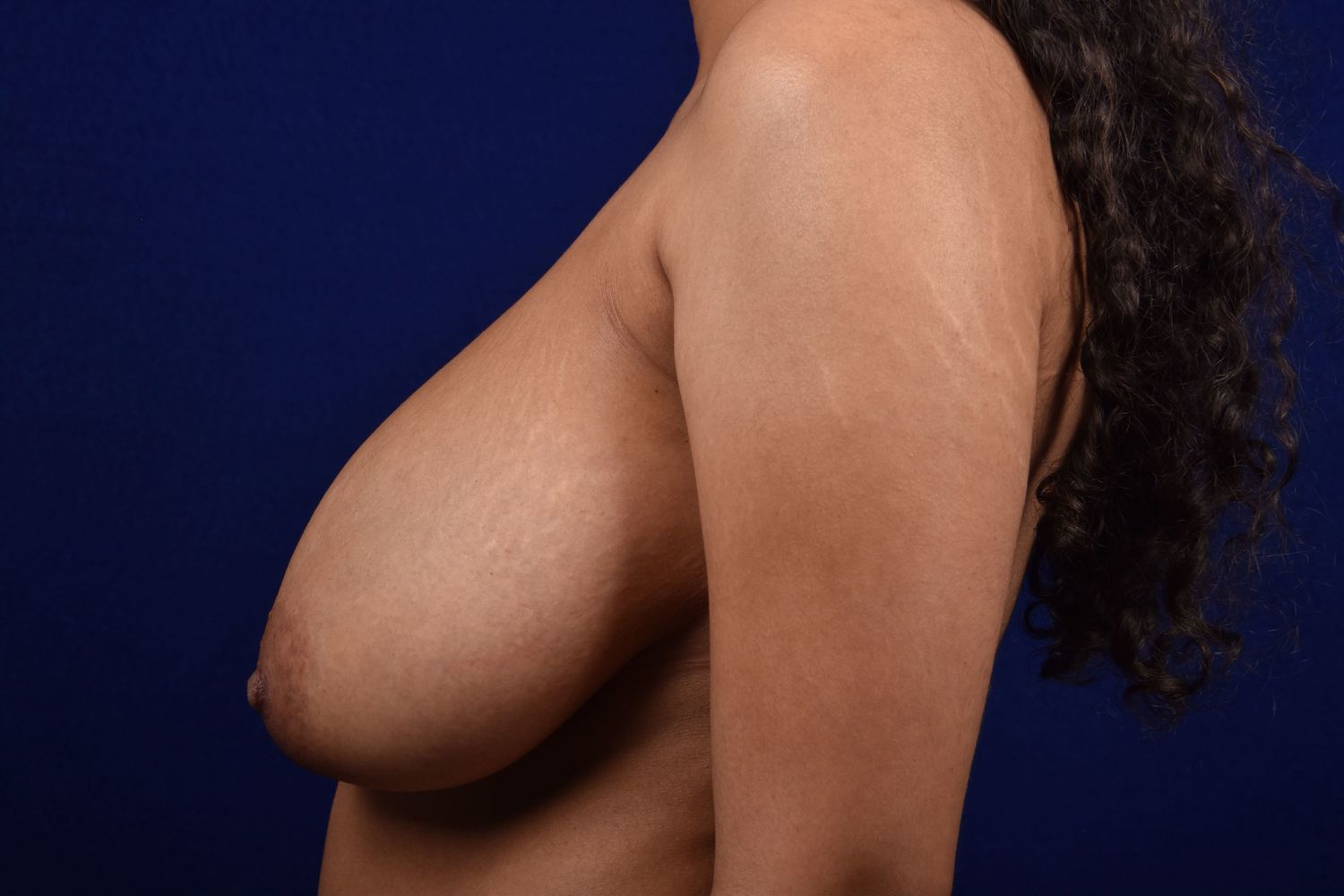
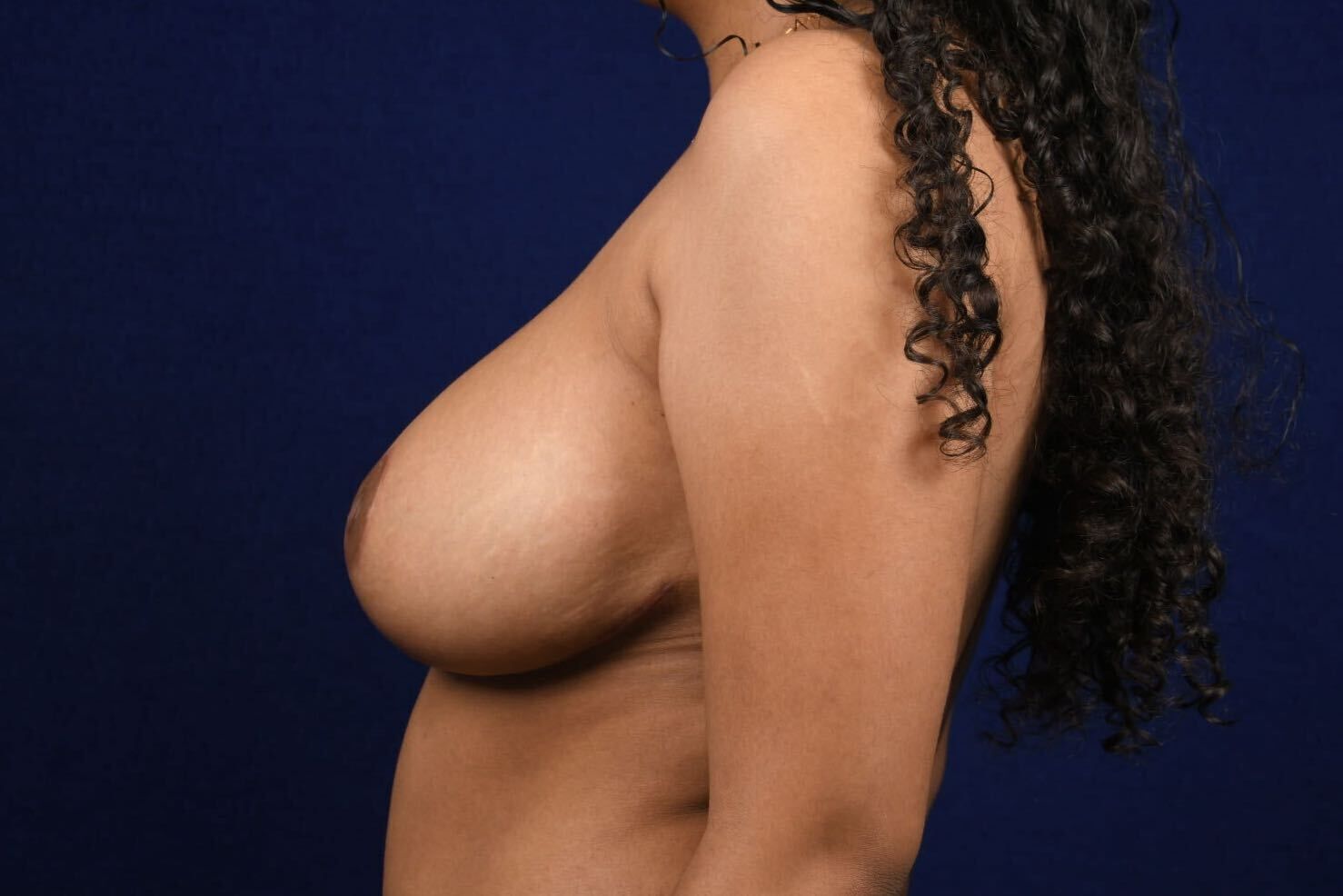
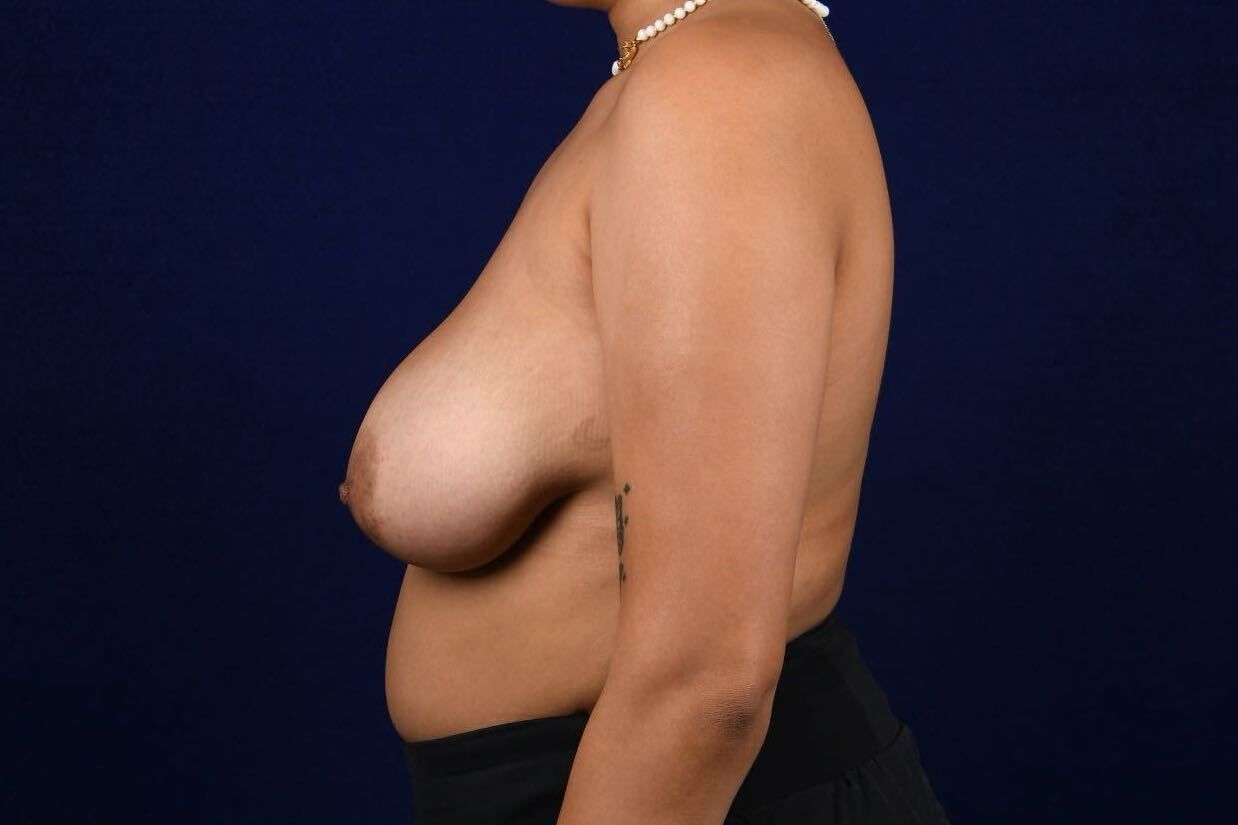
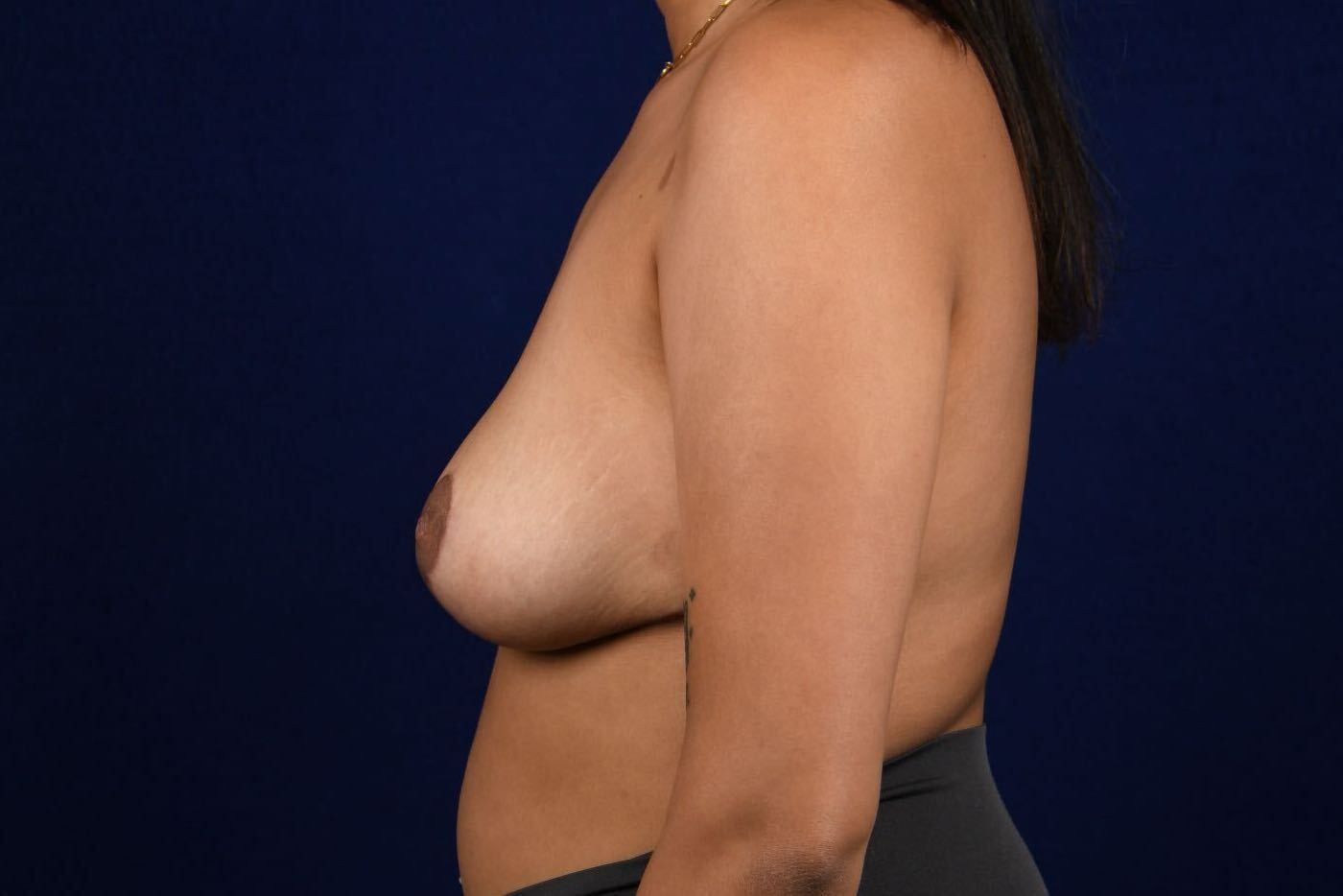
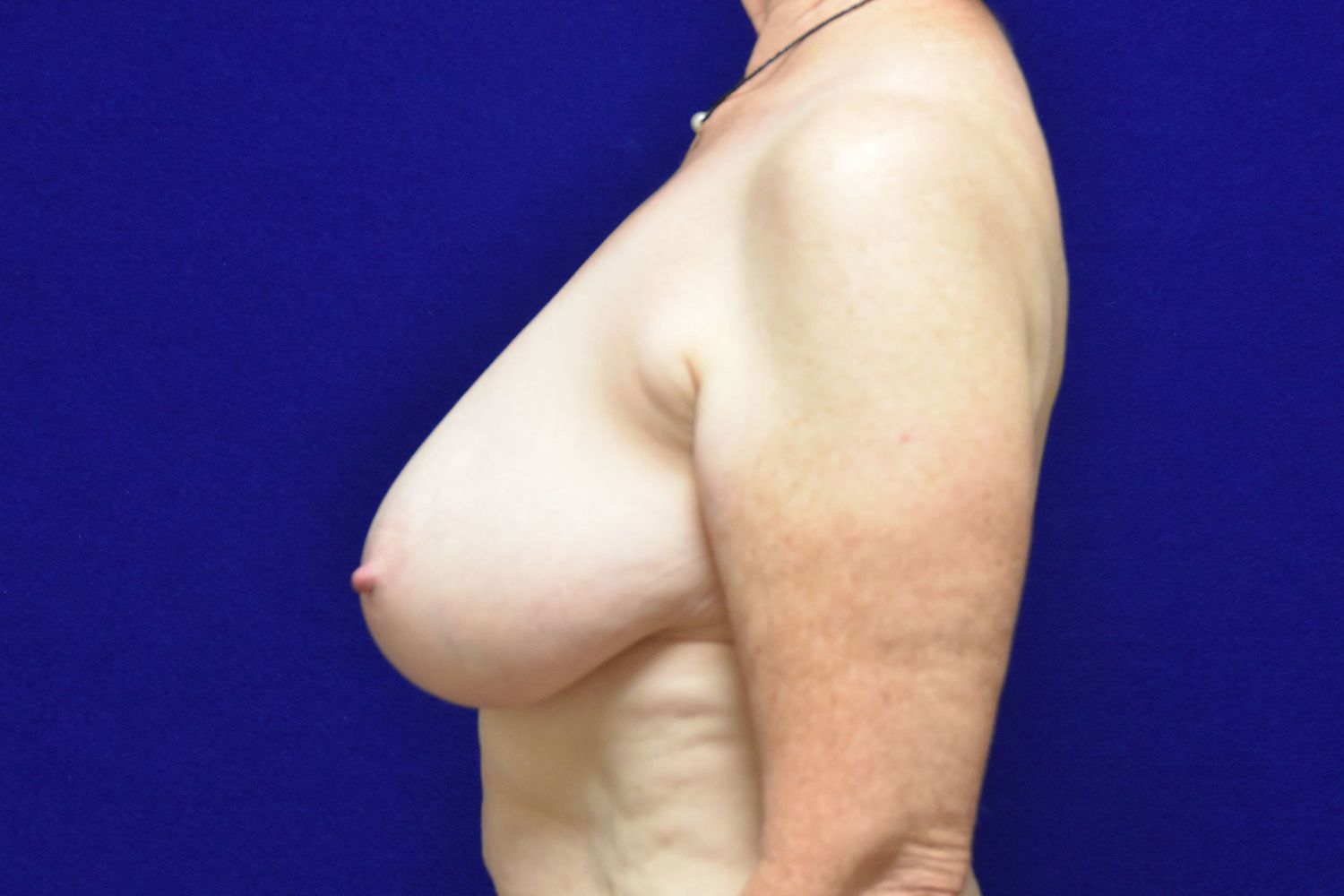
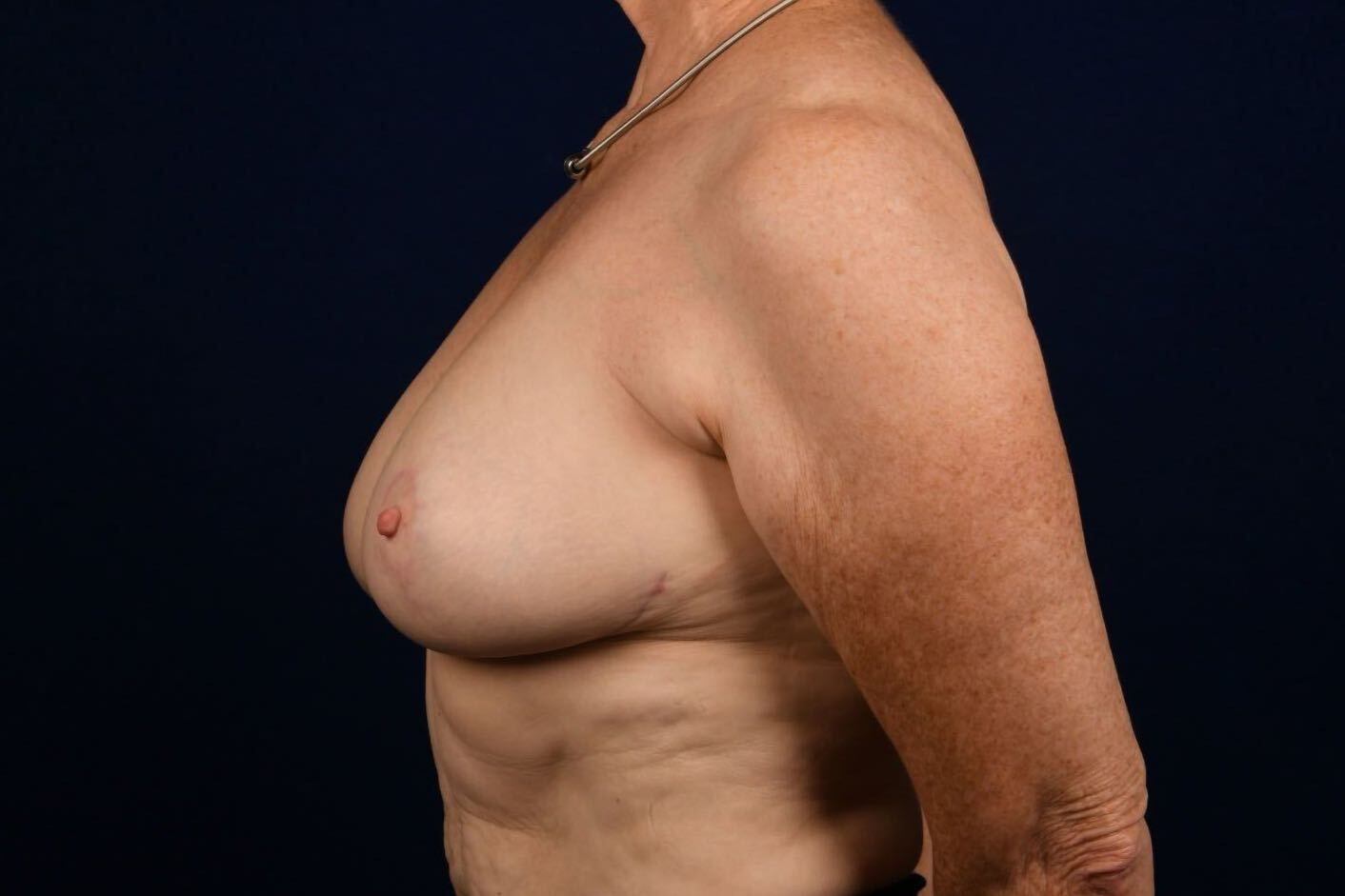
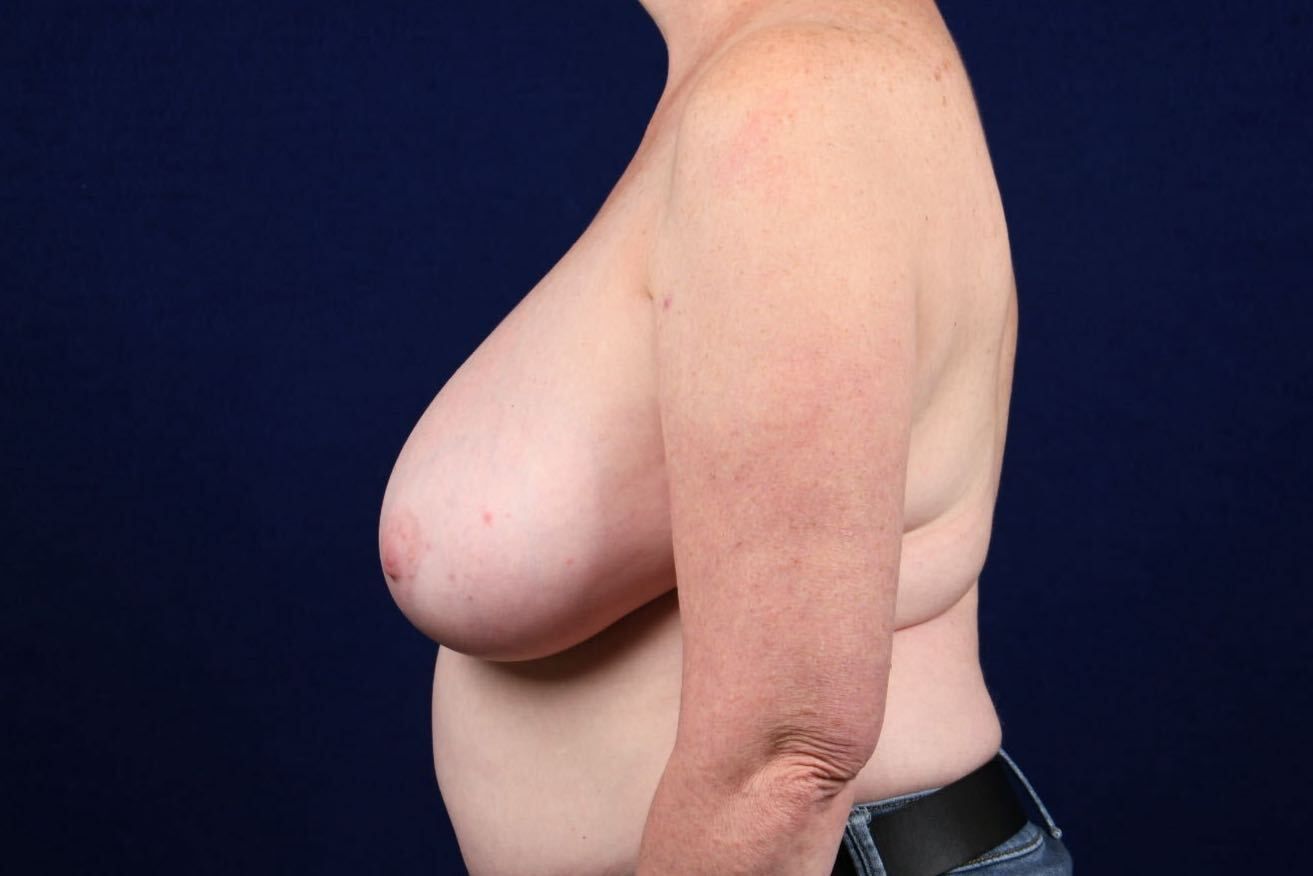
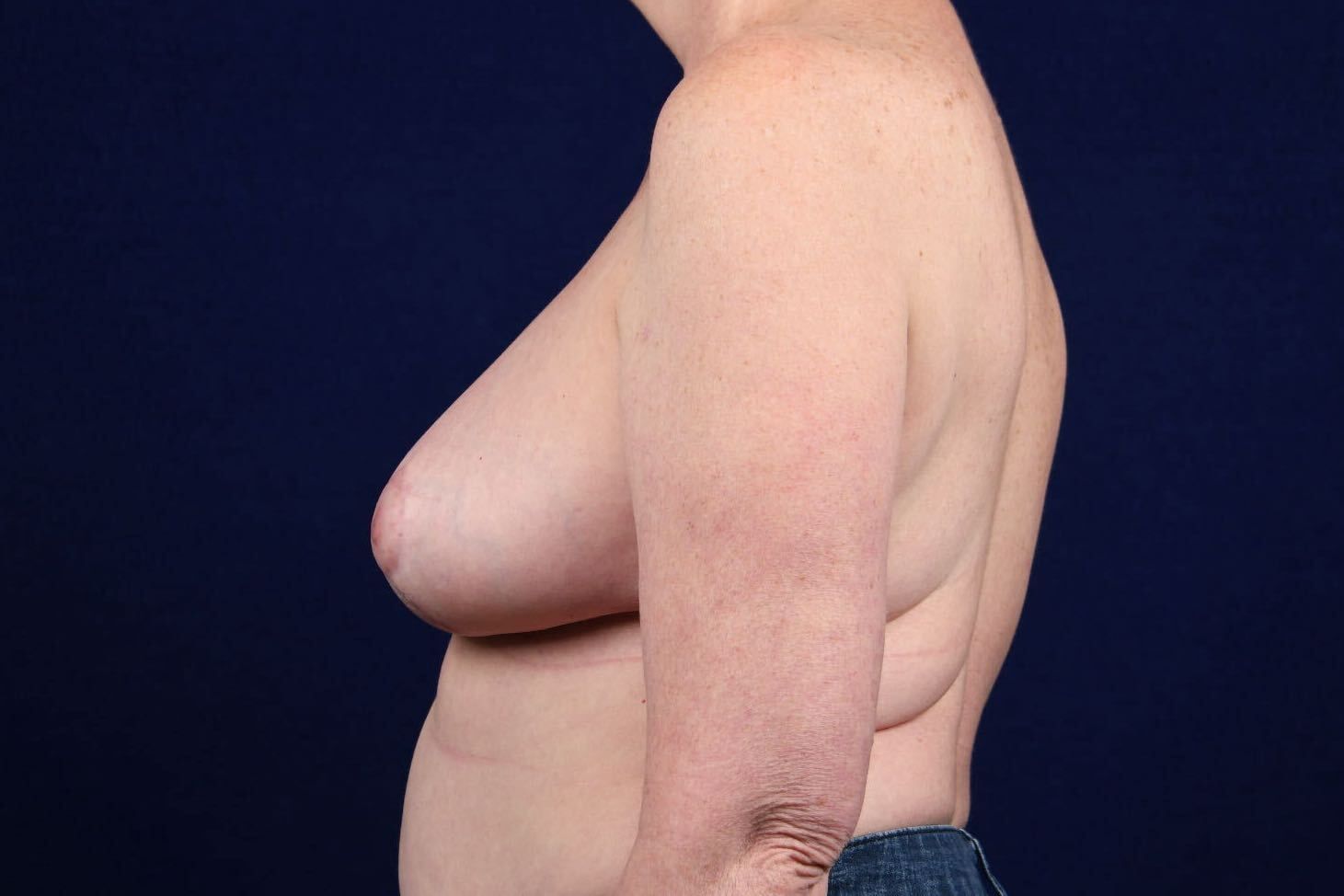
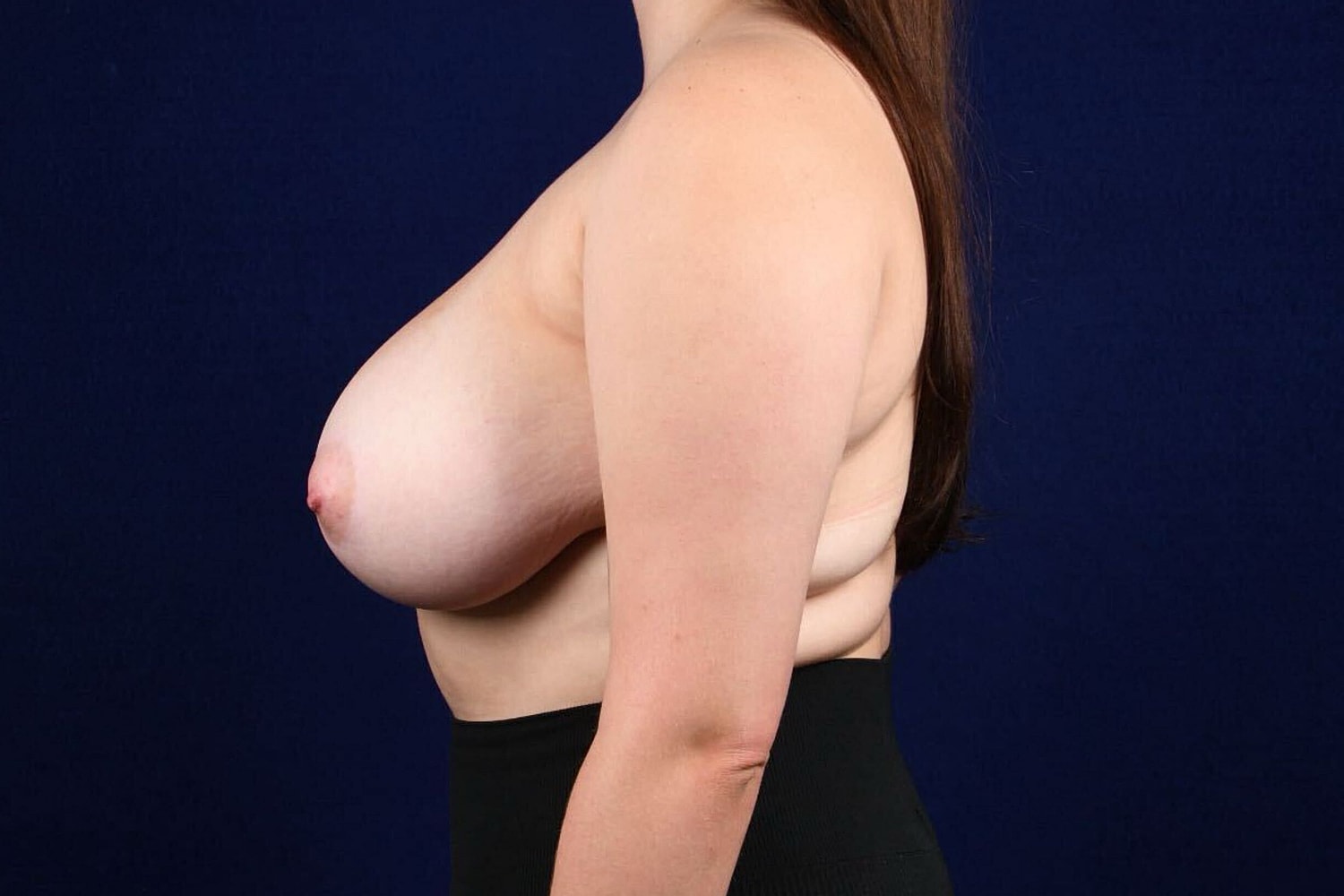
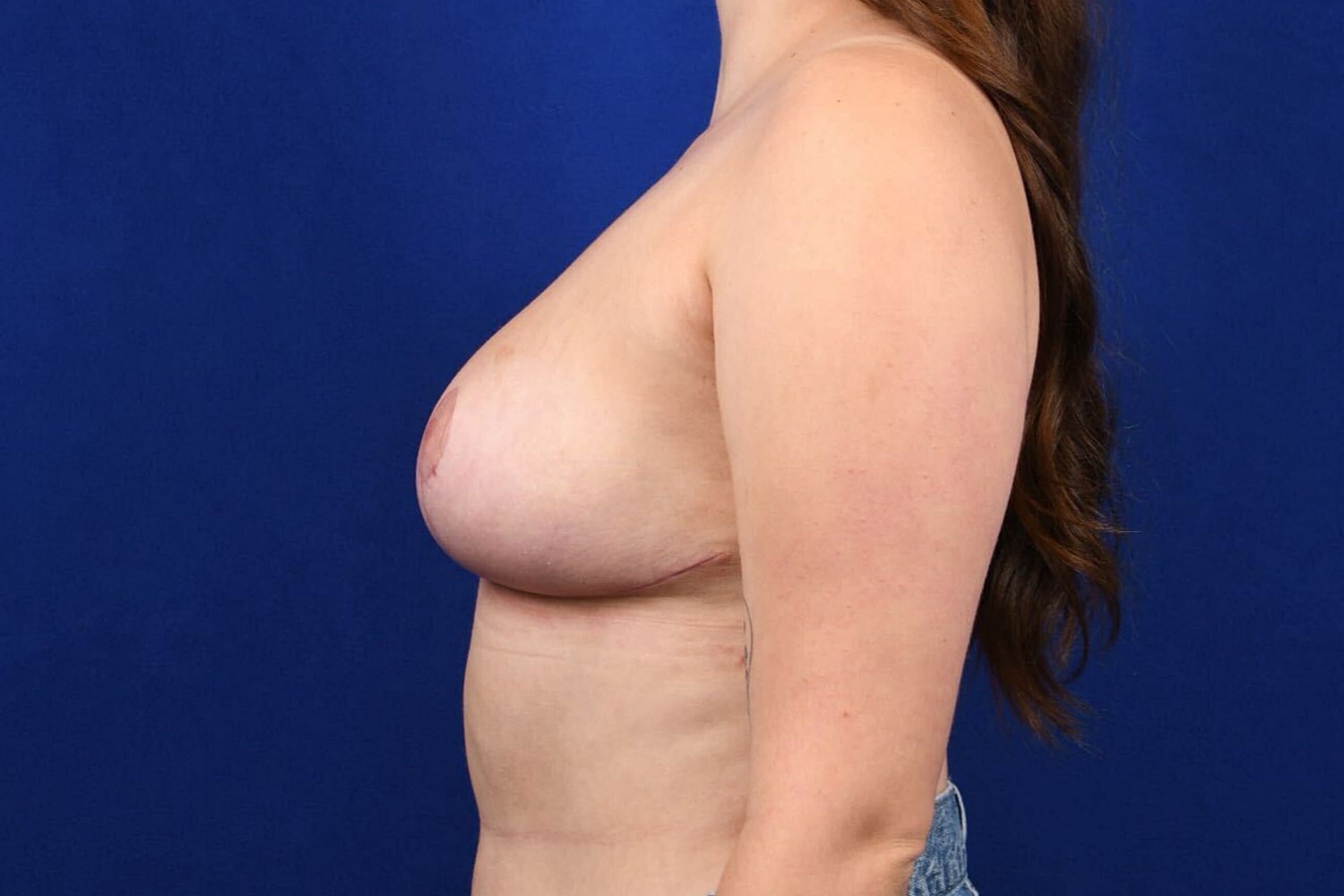
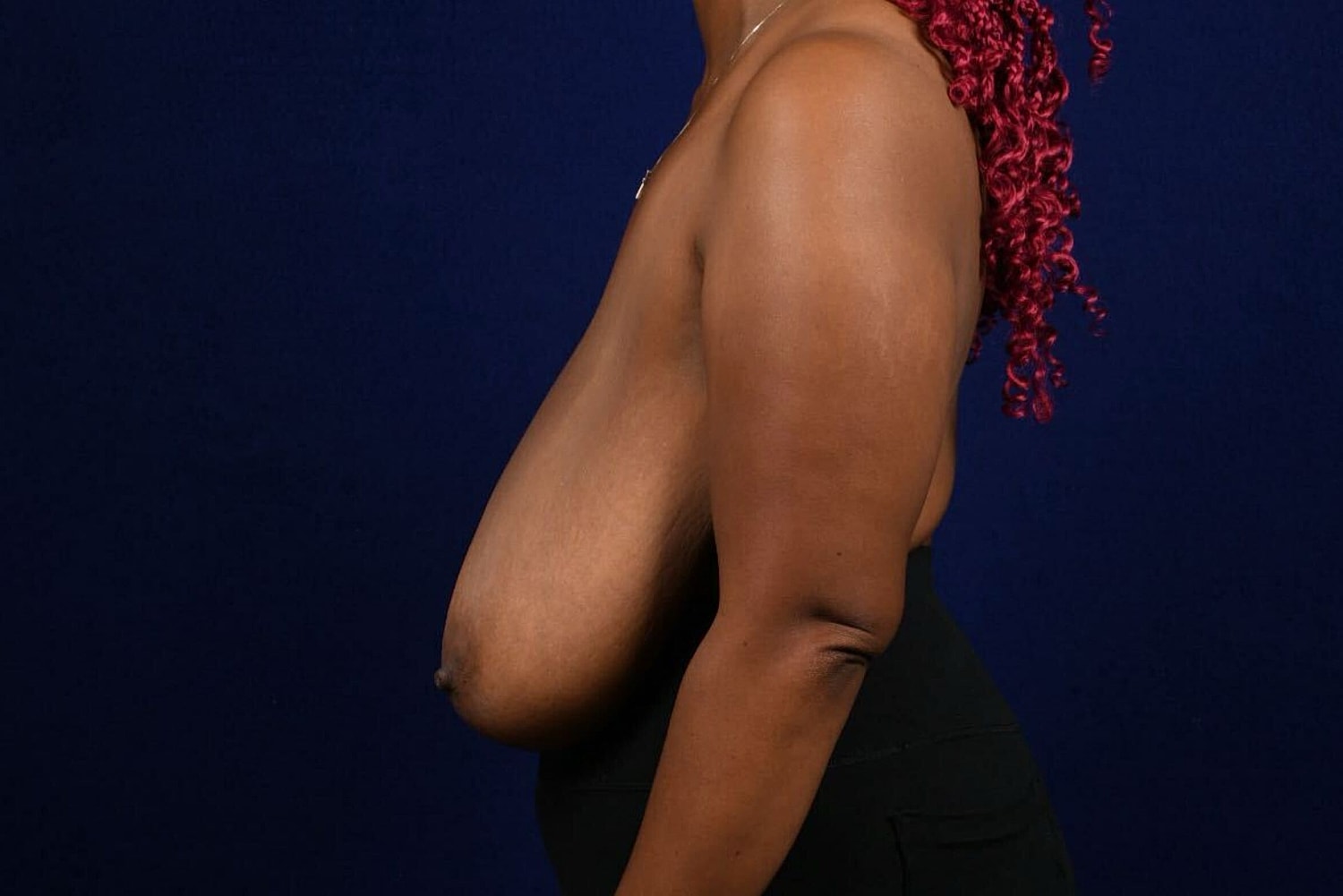
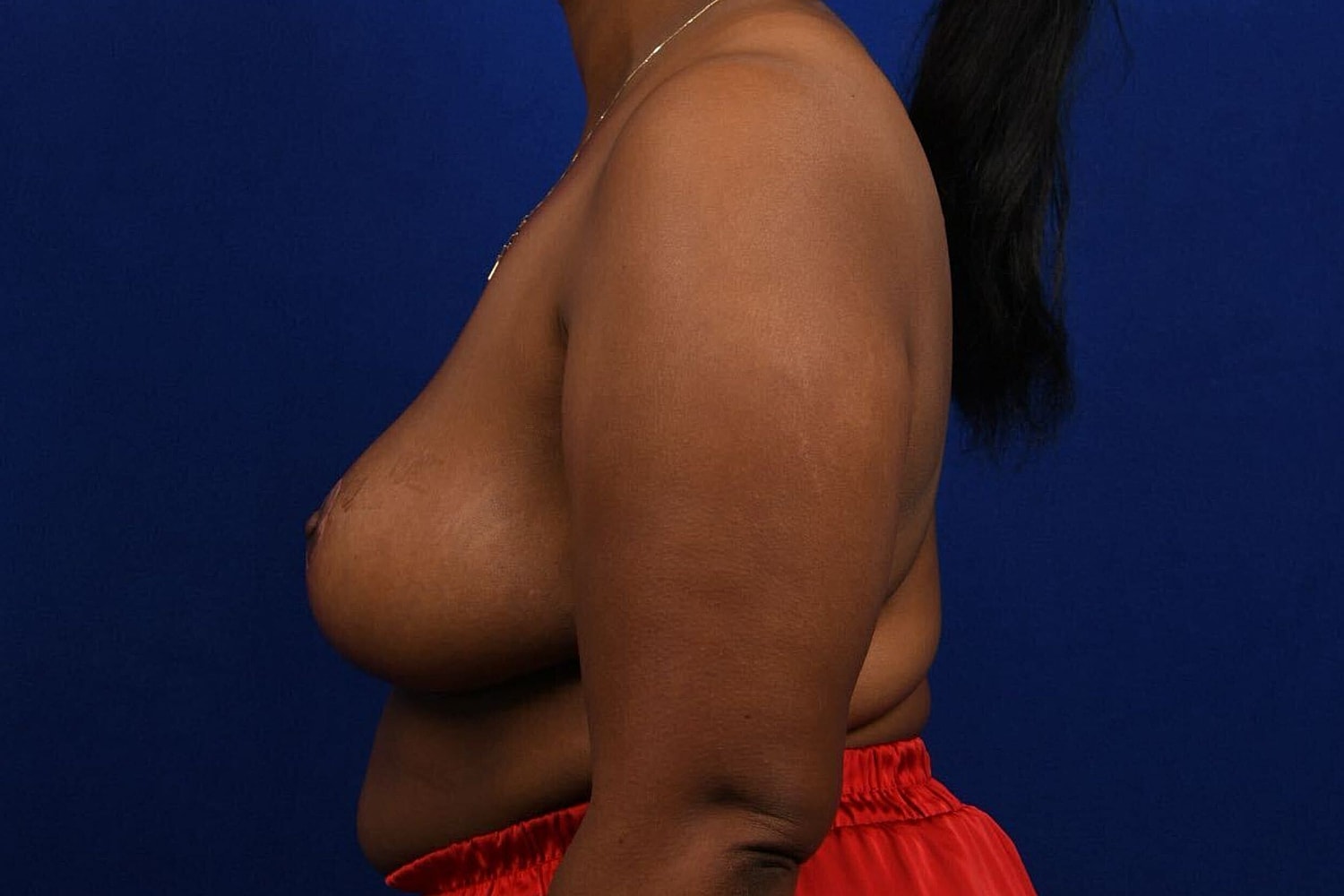
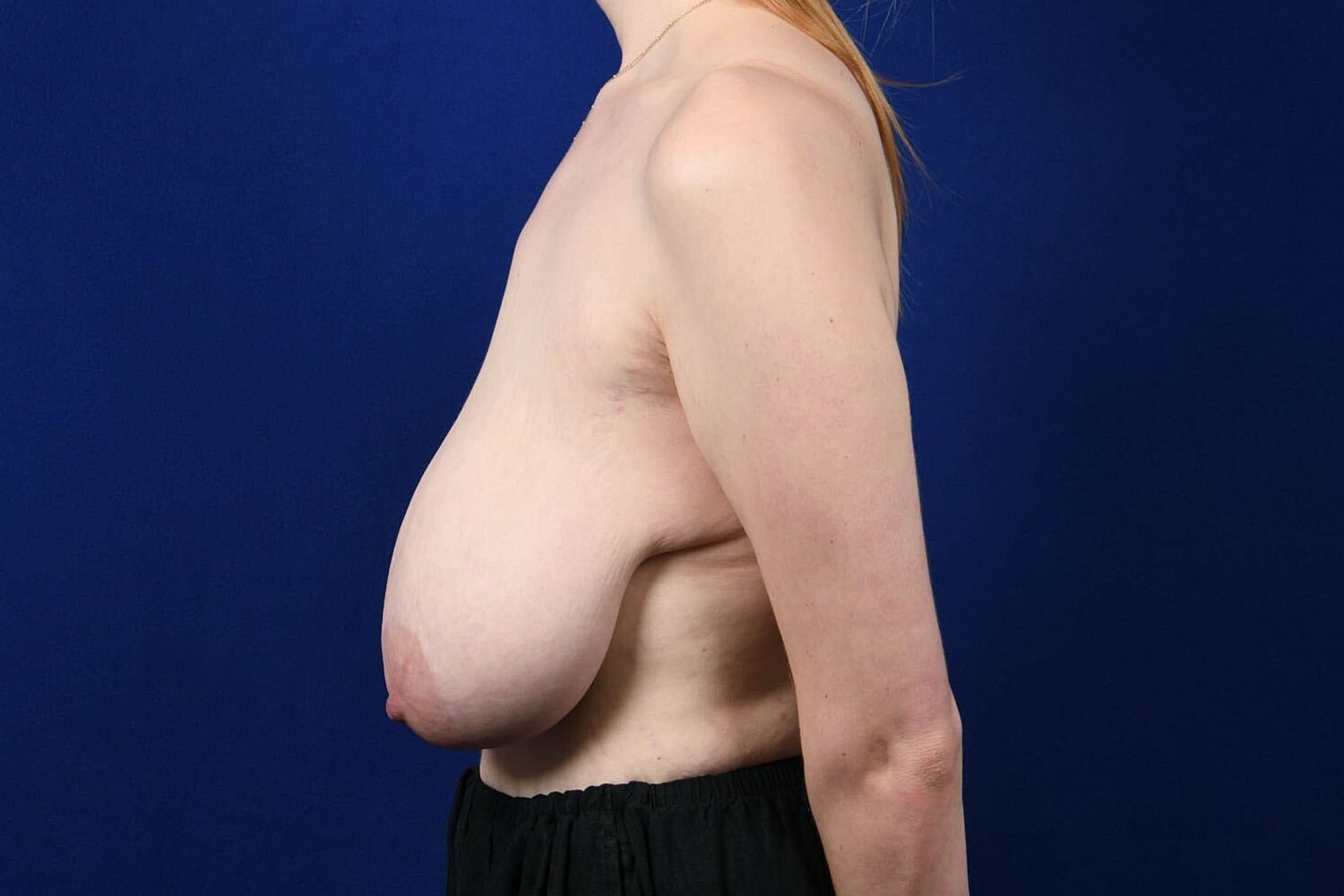
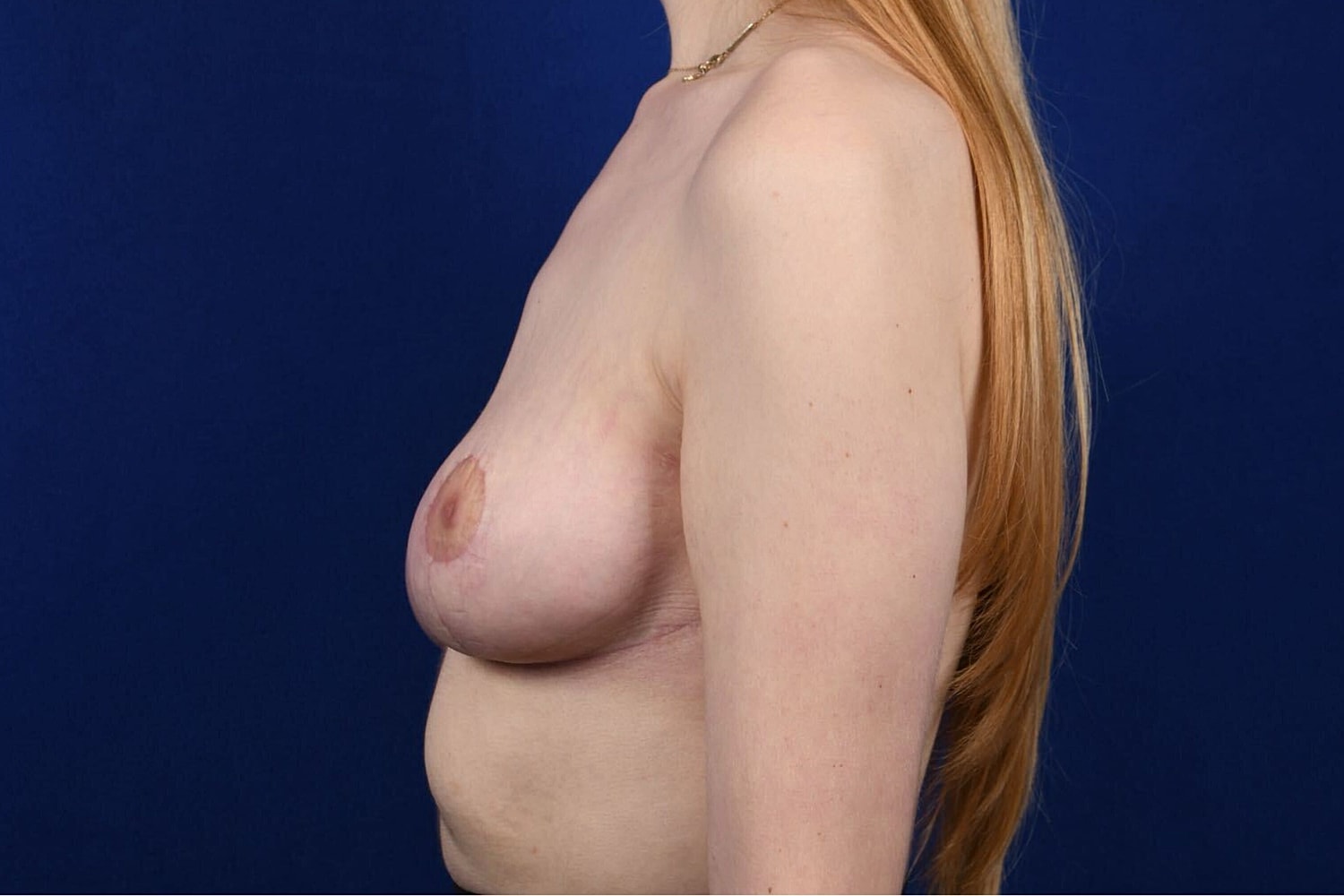
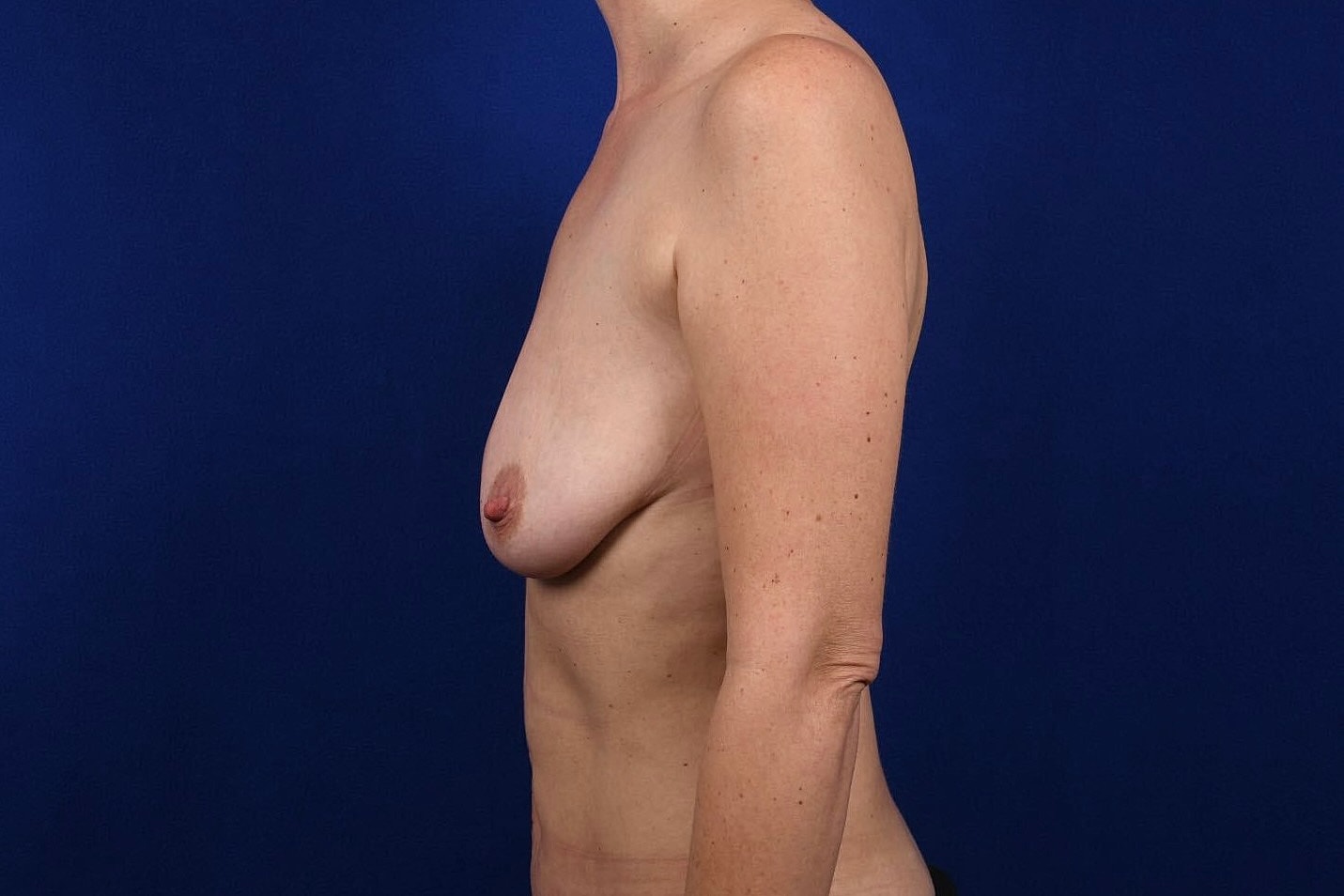
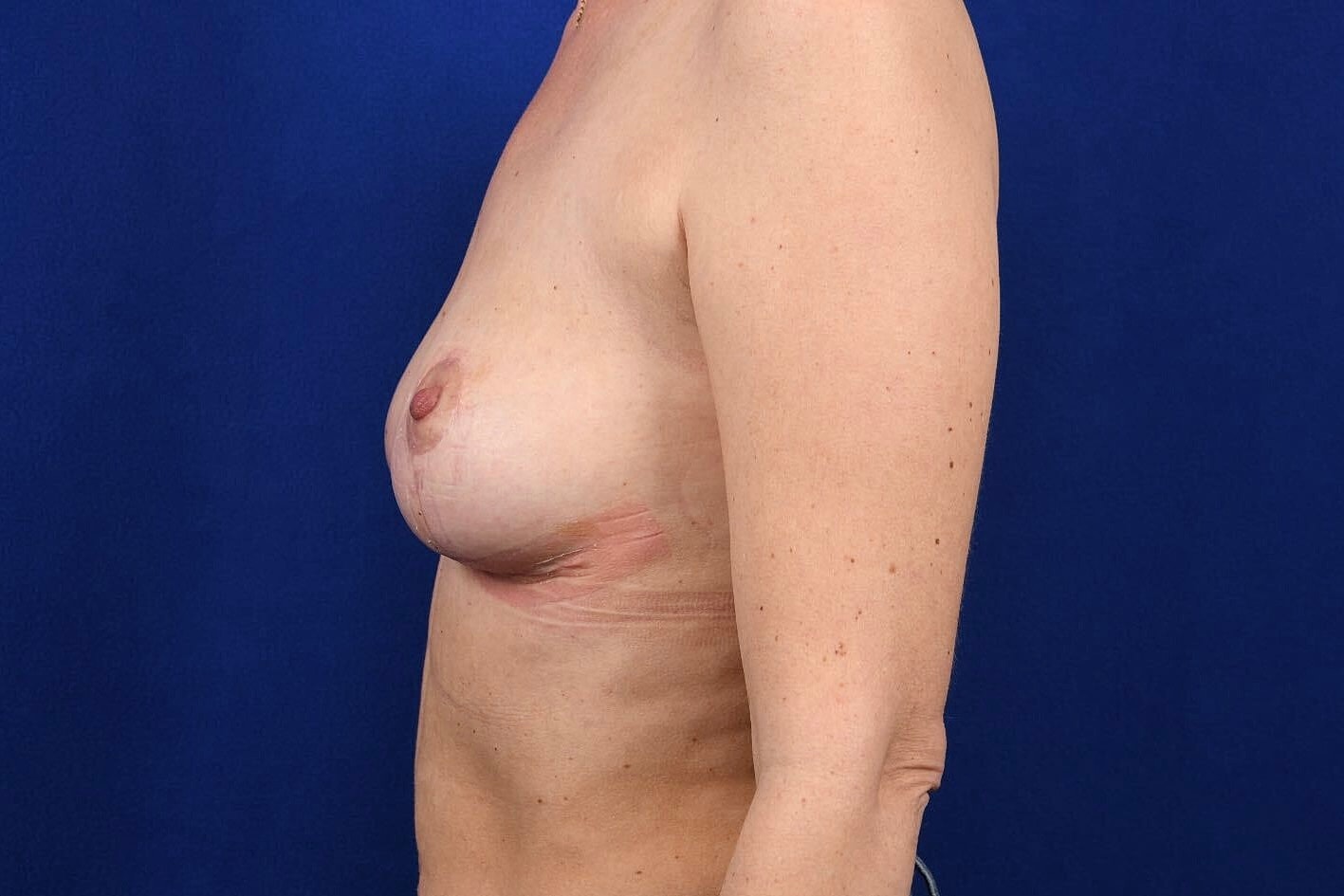
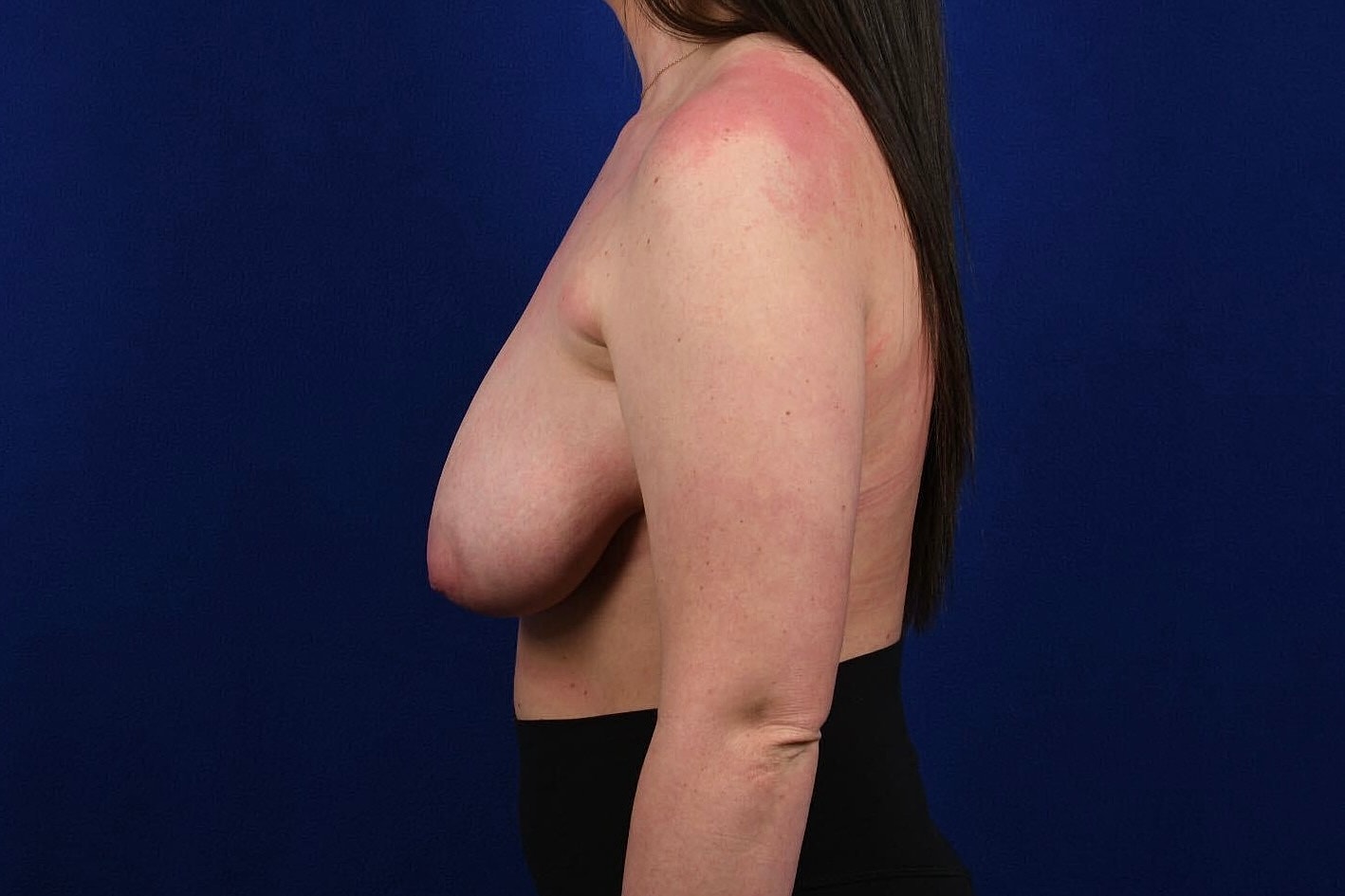
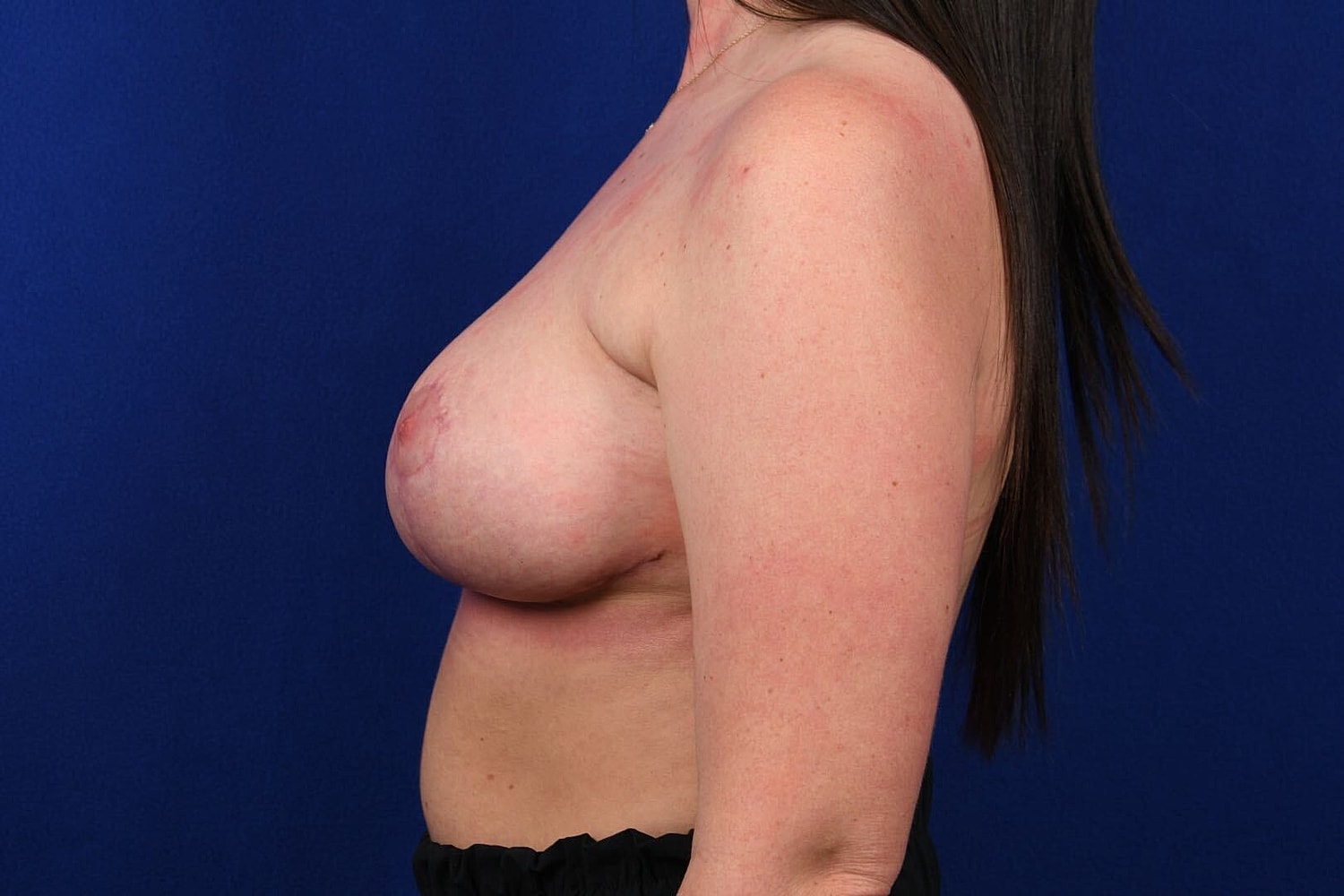
Breast reduction, also called reduction mammoplasty, is a surgical procedure that removes excess breast tissue, fatty tissue, and skin. The remaining tissue is lifted and reshaped, while the nipple and areola are repositioned to create a lighter breast with improved proportion, support, and symmetry.
The amount removed is tailored to your frame, breast size, symptoms, and preferred outcome. Because overly large breasts often sag under their own weight, Dallas breast reduction surgery includes many of the same reshaping steps as a breast lift.
1 of 11
When Supportive Bras Aren't Enough
Breast reduction can improve both physical discomfort and concerns related to breast proportion, including:

Comfort You Can Feel
Breast reduction patients often notice practical improvements quickly because less weight is pulling against the neck, shoulders, and upper back.

Ready to Feel Lighter?
You may benefit from breast reduction surgery if large breasts cause persistent physical discomfort, interfere with exercise, or feel disproportionate to your frame. Candidates should be in good overall health, at a stable weight, and able to pause nicotine use before and after surgery.
Dr. Kelling may recommend waiting if you plan to lose a significant amount of weight, become pregnant soon, or have a medical condition that could interfere with healing. Active nicotine use increases the risk of wound problems, infection, and poor scarring. Patients should also understand that breast reduction may affect nipple sensation and breastfeeding.
Start on Solid Ground
Dr. Kelling and his team will help you feel prepared as surgery approaches. You’ll complete any required testing, stop nicotine use within the recommended timeframe, and adjust medications or herbal supplements when medically appropriate. Arrange for someone you trust to drive you home and help during early recovery, then have your prescriptions filled and a few loose, front-opening outfits ready. Follow the fasting and medication instructions provided by the team before your procedure.

Designed Around Your Frame
Dr. Kelling performs breast reduction under general anesthesia in a fully accredited surgical facility.
The procedure usually takes several hours, depending on the amount of tissue removed and the complexity of reshaping.
The First Few Weeks
Swelling, bruising, soreness, and tightness are expected during early recovery. Many patients also notice immediate relief from the weight of their breasts.
Most patients return to non-strenuous work and social activities within one to two weeks. Swelling may make the breasts appear higher or firmer than expected at first.
Light walking begins shortly after surgery. Heavy lifting, vigorous exercise, and upper-body workouts are generally restricted for four to six weeks.
During the first week, rest and incision care take priority. Most bruising improves within two weeks, while swelling continues to settle over several weeks. Breast shape becomes softer and more natural over two to three months.
Wear your surgical bra as directed and avoid an underwire bra until Dr. Kelling clears you. Sleep on your back, protect the incisions from tension, and attend every follow-up visit so healing can be monitored closely.
Your New Shape Emerges
Stage | What to Expect |
|---|---|
| Immediately | Noticeably smaller, lighter breasts |
| 1–2 weeks | Bruising and prominent swelling improve |
| 4–6 weeks | Activity restrictions begin lifting |
| 2–3 months | Breast shape softens and settles |
| 6–12 months | Scars continue fading |
Keeping Your New Shape
Breast reduction results are long-lasting because removed breast tissue does not grow back. Aging, pregnancy, hormonal changes, and major weight fluctuations can still affect breast size and shape. Maintaining a stable weight helps preserve your result.

Scars With a Strategy
Breast reduction scars commonly circle the areola, extend vertically toward the breast crease, and may continue horizontally along the crease. Their length depends on the amount of excess skin and breast tissue removed. Scars initially appear pink or firm, then gradually flatten and fade. Dr. Kelling uses precise closure techniques and provides scar-care instructions once the incisions are ready.
Lift, Reduce, or Refine?
Procedure | Primary Purpose | Best Suited For |
|---|---|---|
| Breast reduction | Removes volume and lifts the breast | Heavy, overly large breasts |
| Breast lift | Reshapes without significant volume removal | Sagging breasts at a comfortable size |
| Liposuction-only reduction | Removes excess fat without lifting | Select patients with fatty tissue and good skin elasticity |
Looking at the Bigger Picture
Breast reduction may be combined with liposuction along the outer chest or another body-contouring procedure in appropriately selected patients. Dr. Kelling considers operative time, recovery demands, and safety before recommending combined plastic surgery procedures.
Precision You Can Feel
Dr. Joseph Kelling is certified by the American Board of Plastic Surgery and trained at UT Southwestern and Parkland Memorial Hospital. He personally performs every breast reduction with close attention to breast shape, nipple position, symmetry, and scar placement.
His work has been published in Aesthetic Surgery Journal and Plastic and Reconstructive Surgery, and he serves as community faculty for the UT Southwestern Plastic Surgery Residency. Patients receive direct surgical care from Dr. Kelling and consistent support from his Dallas team throughout recovery.
Schedule a consultation with Kelling Plastic Surgery in Dallas, TX, to discuss a breast reduction designed around comfort, proportion, and lasting support.

Cost varies according to surgical complexity, facility costs, anesthesia fees, and the amount of tissue removed. Kelling Plastic Surgery provides an individualized quote after your consultation.
The possible reduction depends on your existing breast tissue, nipple blood supply, skin quality, and desired breast shape. Dr. Kelling will explain what range can be achieved safely.
Soreness and tightness are common during the first several days. Most patients manage discomfort with prescribed or over-the-counter pain medication.
Breastfeeding may remain possible, although surgery can affect milk production. Tell Dr. Kelling if future breastfeeding is important to you.
Risks include infection, excessive bleeding, blood clots, changes in nipple sensation, asymmetry, delayed healing, and poor scarring. Dr. Kelling explains these risks before surgery and uses established safety protocols throughout your care.
Yes. Excess skin is removed, breast tissue is reshaped, and the nipple is raised as part of most breast reduction procedures.