

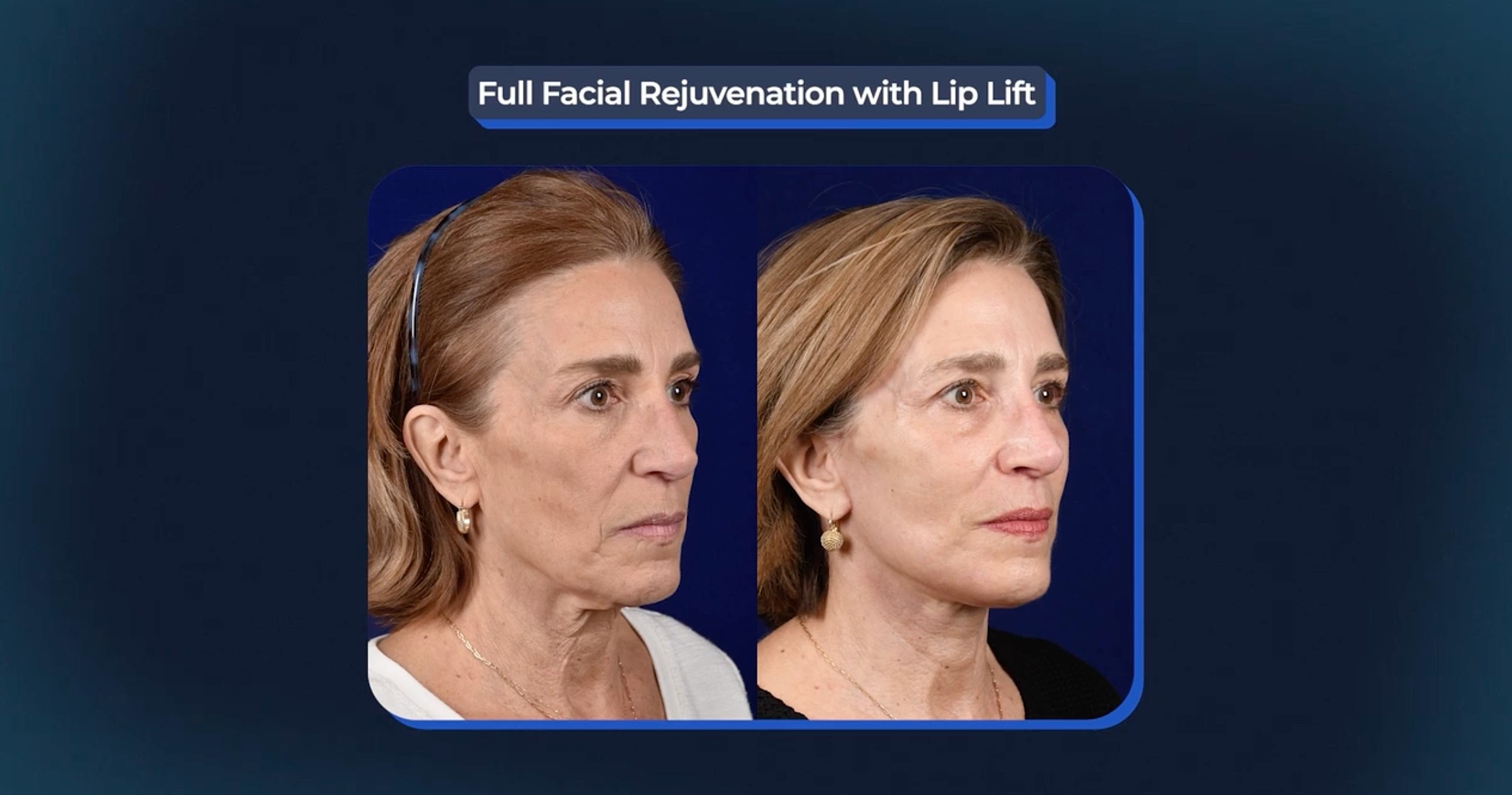
The face is where we first notice aging. Drooping skin, especially below the eyes and along the jawline, are hallmarks of aging. If they could only be taken back to where they once were, the face could instantly look 10 years younger, or more. Enter the face lift procedure.
A facelift, or rhytidectomy, is a surgical procedure that rejuvenates the lower two-thirds of the face by addressing sagging skin, jowls, and loss of definition along the jawline. Dr. Joseph Kelling, a board-certified plastic surgeon in Dallas, Texas, clarifies a common misconception: “A lot of patients just don't understand what facelift surgery is. The facelift is really treating from the cheekbone down to the jawline.”
While techniques vary, modern approaches like the mini facelift and deep plane facelift offer different levels of correction. A mini facelift typically uses smaller incisions and focuses on early signs of aging in the lower face and jawline, providing subtler improvements with shorter downtime. In contrast, a deep plane facelift releases deeper facial ligaments and repositions underlying tissues for more comprehensive, natural-looking, and longer-lasting results, especially in the midface and jowls.
In addition to varieties on the face lift procedure itself, there are a host of adjunct procedures that work to correct the other aged areas of the face. Everyone’s anatomy is a bit different and everyone ages differently, so it’s important to offer a suite of procedures to address your unique situation rather than a one-size-fits-all approach. In this article, we’ll outline the modern face lift procedure, its adjunct procedures, and how Dr. Kelling uses these in concert for the best results for his patients.
A standard facelift primarily targets the mid-to-lower face, but aging rarely occurs in isolation. Dr. Kelling explains that most patients benefit from addressing the neck simultaneously: “For pretty much all of my patients, I also do a neck lift at the same time as a facelift. So really from the cheekbone all the way down to the neck, I'm rejuvenating all of those areas.”
A neck lift specifically tightens loose skin, removes excess fat, and addresses muscle bands (platysma) under the chin for a sharper jawline and smoother neck contour. Combining both creates a seamless transition and avoids an unbalanced appearance where the face looks rejuvenated but the neck remains aged.
Facial aging affects multiple areas at once, including volume loss, skin changes, and upper face descent. Dr. Kelling stresses the value of adjunct procedures performed alongside facelift surgery for harmonious, natural results: “These are all adjuncts to that face and neck lift surgery that just really help create a more synergistic result but also a more beautiful and cohesive result for the patient.”
Upper and lower eyelid procedures refresh the eye area, which often shows early aging. “Starting with around the eye, there's an upper eyelid surgery where you remove a little bit of skin or fat from the upper eyelid that can really rejuvenate that part of the face,” explains Dr. Kelling. Lower blepharoplasty tightens skin and removes or repositions fat to reduce puffiness and tired-looking bags.
To balance the rejuvenated lower face, a brow lift repositions descended brows. Dr. Kelling notes: “From the eyes up, this is where a brow lift comes in. We're usually trying to reposition or move the brow into a better position on the face so that it's more cohesive with your facelift result.” Performing a brow lift with a facelift and neck lift “creates a full facelift effect.”
Volume deflation often accompanies tissue sagging. Fat grafting restores youthful fullness using the patient’s own tissue. “At the same time as that tissue on your face is sagging, you also have some deflation of volume in your face, so adding some fat grafting to these areas that have become deflated is a great idea. Usually, when I see people's faces, I'm seeing a lot of the central part of the cheek that becomes deflated, or your lips become deflated. Adding some of the volume back on your face with fat grafting is super beneficial.”
Other subtle but impactful adjuncts include a lip lift to shorten an elongated upper lip and earlobe reduction for stretched or deflated lobes from years of earring wear. These small refinements enhance overall facial harmony.
While facelift surgery and its adjuncts reposition tissues and restore volume, the skin’s surface quality benefits from additional treatments. Lasers for skin resurfacing or rejuvenation (such as ablative, fractional, or broadband light devices) can be staged before or after surgery to improve texture, pigmentation, fine lines, and tone. These complement the structural lift by addressing sun damage and surface aging that surgery alone cannot correct, helping patients achieve smoother, more radiant facelift before and after transformations.
Facelift recovery is a key concern for patients considering these procedures as it deals with the face. Most individuals can return to public-facing activities within 10–14 days, though swelling and bruising peak in the first week and gradually subside. Full resolution of swelling may take several weeks to a few months, with final results emerging as tissues settle.
Patients typically experience tightness, mild discomfort managed with medication, and instructions to keep the head elevated, avoid strenuous activity, and follow incision care protocols. Dr. Kelling and his team in Dallas emphasize a smooth, well-supported recovery process tailored to each patient’s needs. A mini facelift generally involves less downtime than a more extensive deep plane facelift, making it appealing for those with milder concerns or busier schedules.
Realistic expectations are essential. Facelift before and after photos often show dramatic yet natural improvements in jawline definition, midface fullness, and overall youthfulness when adjunct procedures are thoughtfully combined.
Facelift surgery offers powerful, long-lasting rejuvenation when customized to individual anatomy and goals. Whether opting for a mini facelift for subtle refreshment or a deep plane facelift for comprehensive correction, combining it with a neck lift, eyelid surgery, brow lift, fat grafting, and other adjuncts creates balanced, cohesive results. Consulting with a board-certified plastic surgeon like Dr. Kelling ensures a personalized plan that addresses your unique aging pattern.
If you’re noticing jowls, neck laxity, or midface descent, schedule a consultation with Dr. Kelling today to explore how modern facelift techniques and complementary procedures can help you look naturally refreshed and confident for years to come.